A one-button hook with a high ceiling
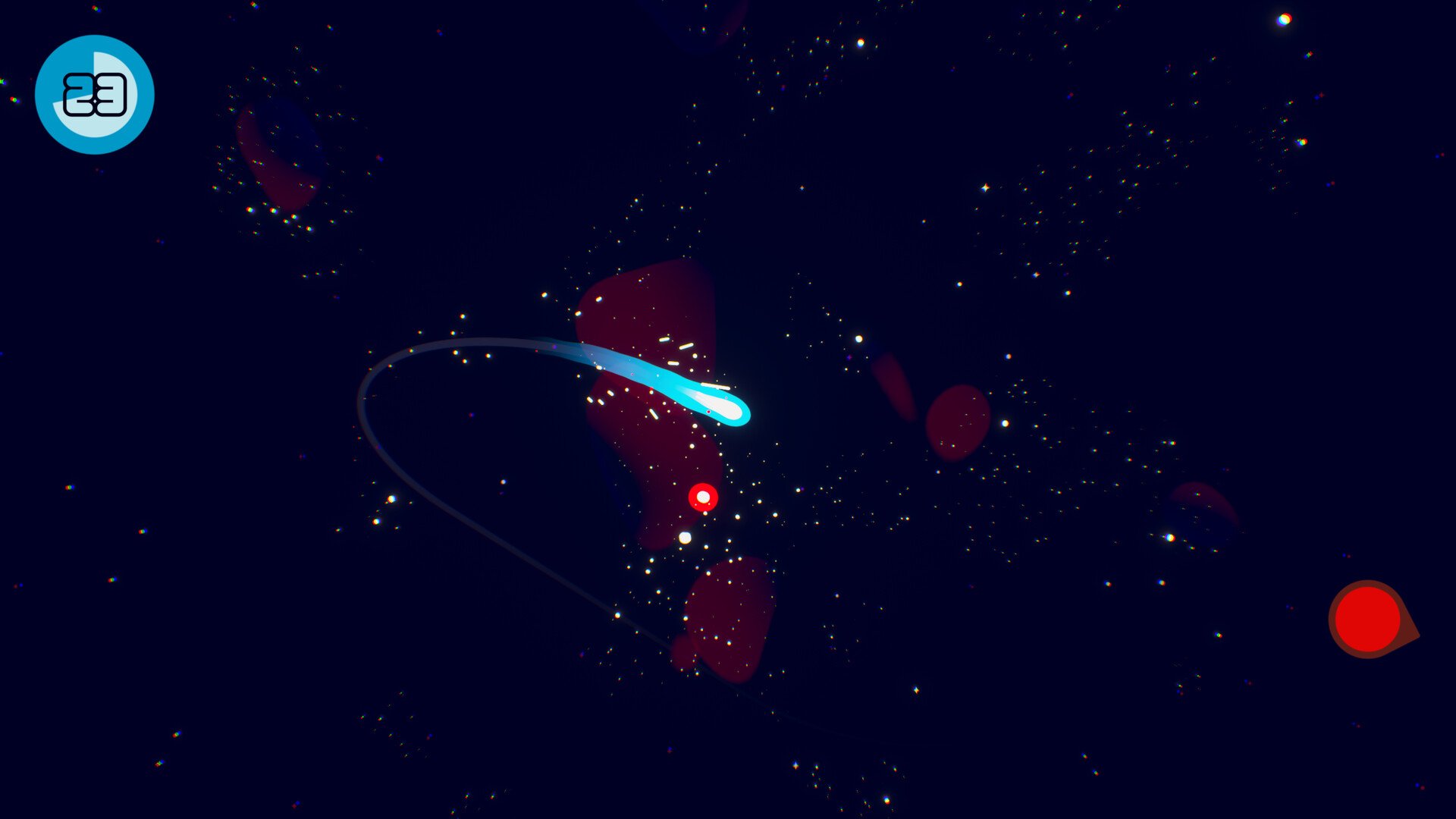
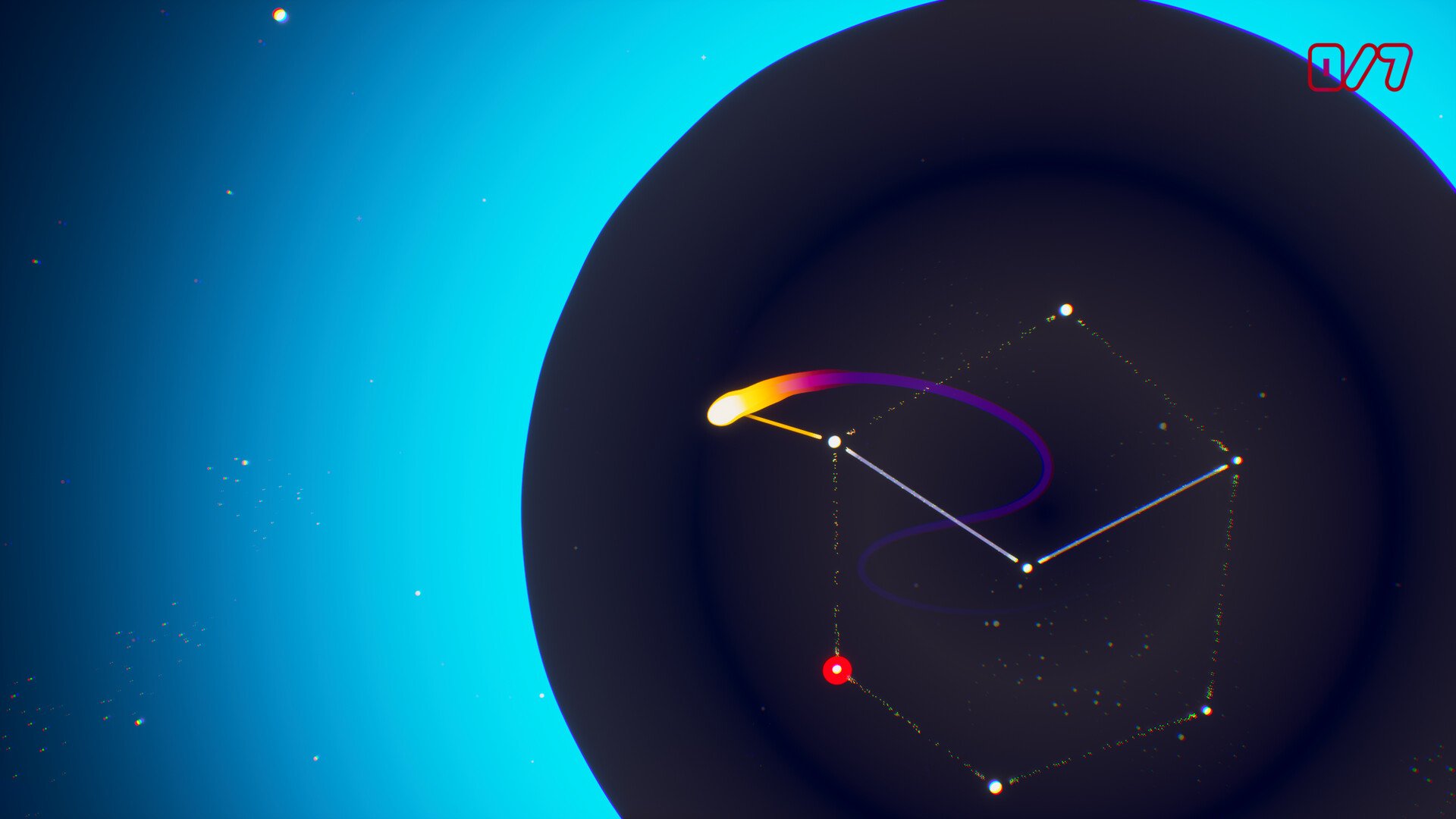
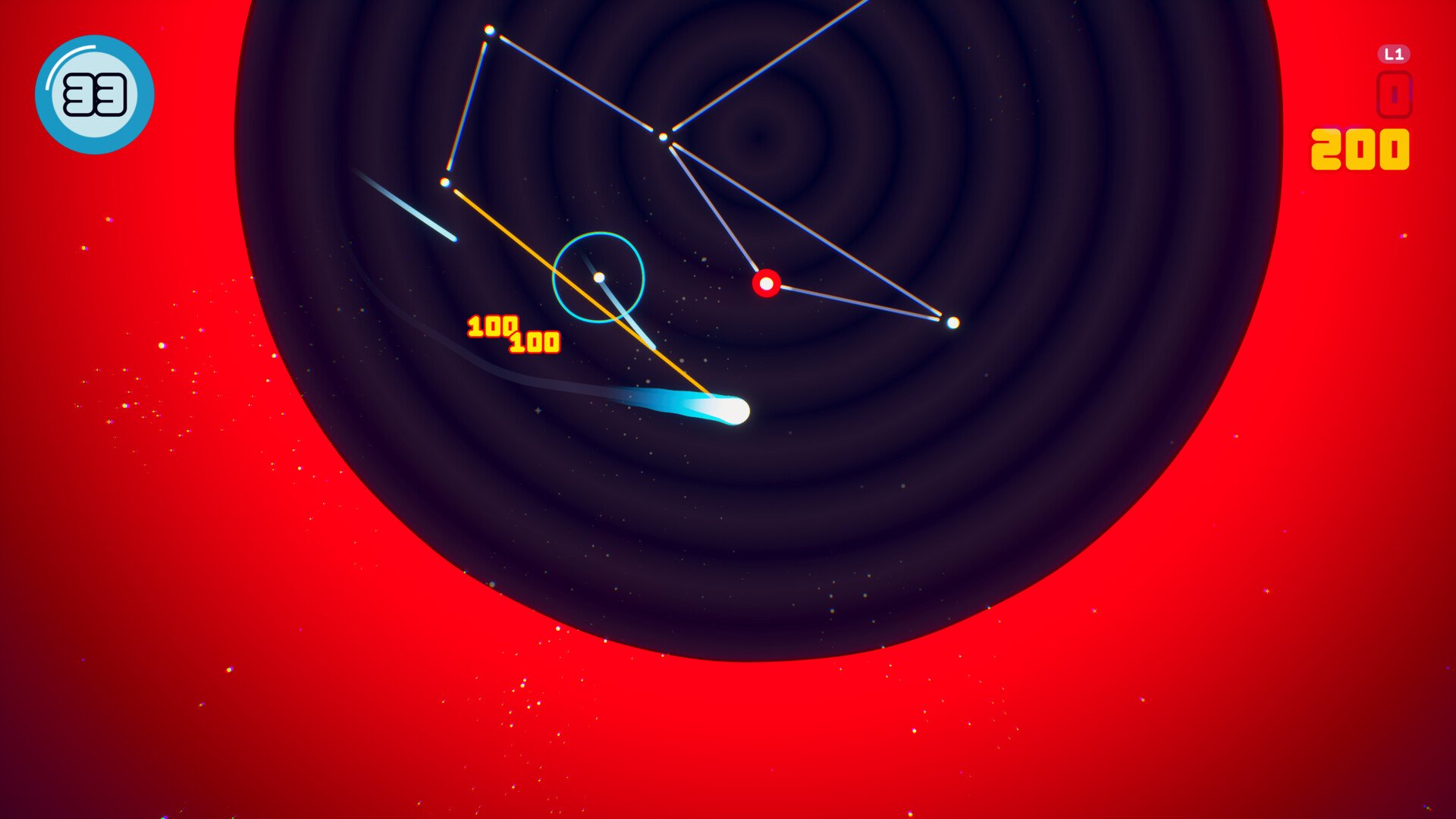
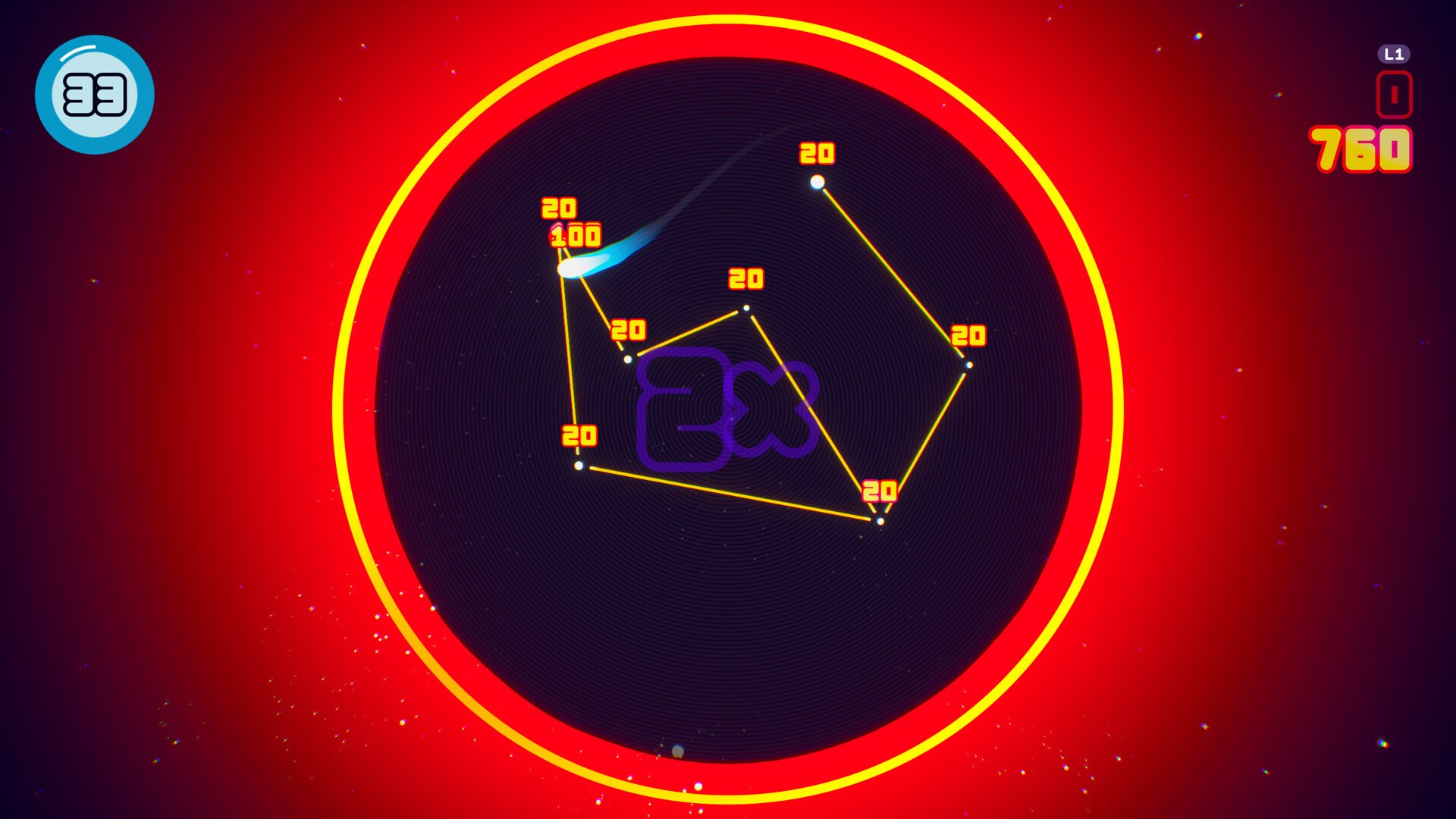
Faraway fits in a sentence: you are a shooting star, you hold a button to orbit a star, you let go to be slung toward the next, and you draw constellations to keep your light alive. Across the Faraway reviews so far, critics agree the idea is clever and the skill ceiling is real. They disagree on how long the spell lasts. The game from Steph Thirion and Annapurna Interactive launched on 5 November 2026, and OpenCritic lists a Top Critic Average of 71 with 57% of critics recommending it, from eight reviews as of Saturday 7 November 2026.
Where the scores land
The spread is wide for a small arcade game. The OpenCritic review list has Virtualni Kutak at the top with 9/10, G4F.it at 7.6/10, and Uagna, FingerGuns and GameBlast all at 7/10. COGconnected gave 78/100 and Xbox Achievements 65%. Polygon did not score its review. OpenCritic ranks the game in the 48th percentile of games it has scored, a fair summary of a release that some love and others merely like.
The middle of that pack is a cluster of sevens, written by critics who clearly enjoyed the game and still attached caveats. That pattern, rather than one outlier, is why the average sits at 71.
What the praise has in common
The strongest praise is about depth hiding inside simplicity. Virtualni Kutak calls it a flawlessly minimalist arcade experience governed by strict rules, with a massive ceiling for mastery, and the textbook definition of an “easy to play, hard to master” game. The review adds that the deeper you push, the more vital it becomes to understand every trajectory and exploit every microsecond.
Uagna makes a similar point in plainer terms: the game gets a full arcade experience out of a single button, and it rewards anyone who likes chasing high scores. The same review notes it runs smoothly on PS5. G4F.it describes a strong concept with intuitive mechanics that offer more depth than meets the eye, and says building constellations is satisfying enough to keep players coming back for a higher score.
Polygon’s Giovanni Colantonio is the most affectionate of the group. He calls it a “soul-nourishing constellation game” that is as expressive as a story-forward game like Mixtape while barely saying a word. COGconnected’s Mark Steighner frames it as an at-times exacting physics puzzle game in the appealing disguise of a chill-vibe experience, a neat way to describe the mismatch between its calm look and its demands.
Steep curve, thin tutorial
The complaints are just as consistent. Uagna says the learning curve is steep and the tutorial thin. FingerGuns’ Joshua Thompson calls it a puzzler that will “challenge you, excite you and infuriate you”, and admits he can’t say he had fun with the steep learning curve, while still valuing a game that brings something entirely fresh.
GameBlast adds a different complaint: the controls sometimes lack the precision needed to bring the game’s ideas to life. For a game built on a single button and exact release timing, that is a pointed criticism, and it is the one most likely to decide whether a player sticks around.
Does the hook last?
This is where the critics split. Uagna says the endless mode grows predictable once you master it. GameBlast says the simple modes can become repetitive, even as it praises the fun of uncovering the one-button controls and the more advanced techniques. Against that, Virtualni Kutak sees a ceiling so high that the mastery itself is the content.
Steam’s own description leans into that second reading. The store page calls Faraway an endless, procedurally generated, mastery-driven arcade game, with a universe generated in real time around your performance. Whether that is a bottomless hobby or a loop you learn to see through depends, on the evidence of these reviews, on how much you enjoy refining a score.
Price, platforms and who it suits
According to OpenCritic, Faraway is available on PC, Xbox Series X/S, PlayStation 5, Nintendo Switch and Nintendo Switch 2. On Steam, the PC version was listed at $7.99 in US dollars, 20% off the $9.99 list price, at the time of the store capture. Prices can change.
At that price the risk is small, and the reviews point to a clear audience. Anyone who enjoys score-chasing arcade games will find the most to like. Players who want a guided, varied puzzle game may bounce off the thin tutorial and the repetition critics describe. Every score here comes from the critics named, so read the full reviews behind the numbers before buying.
For more recent releases, see the Destroy All Monsters Melee Remastered reviews and the Psycho Sleuth review roundup. If small, sharp games are your thing, our best PC games of 2026 guide has more to try.