A screen on the side
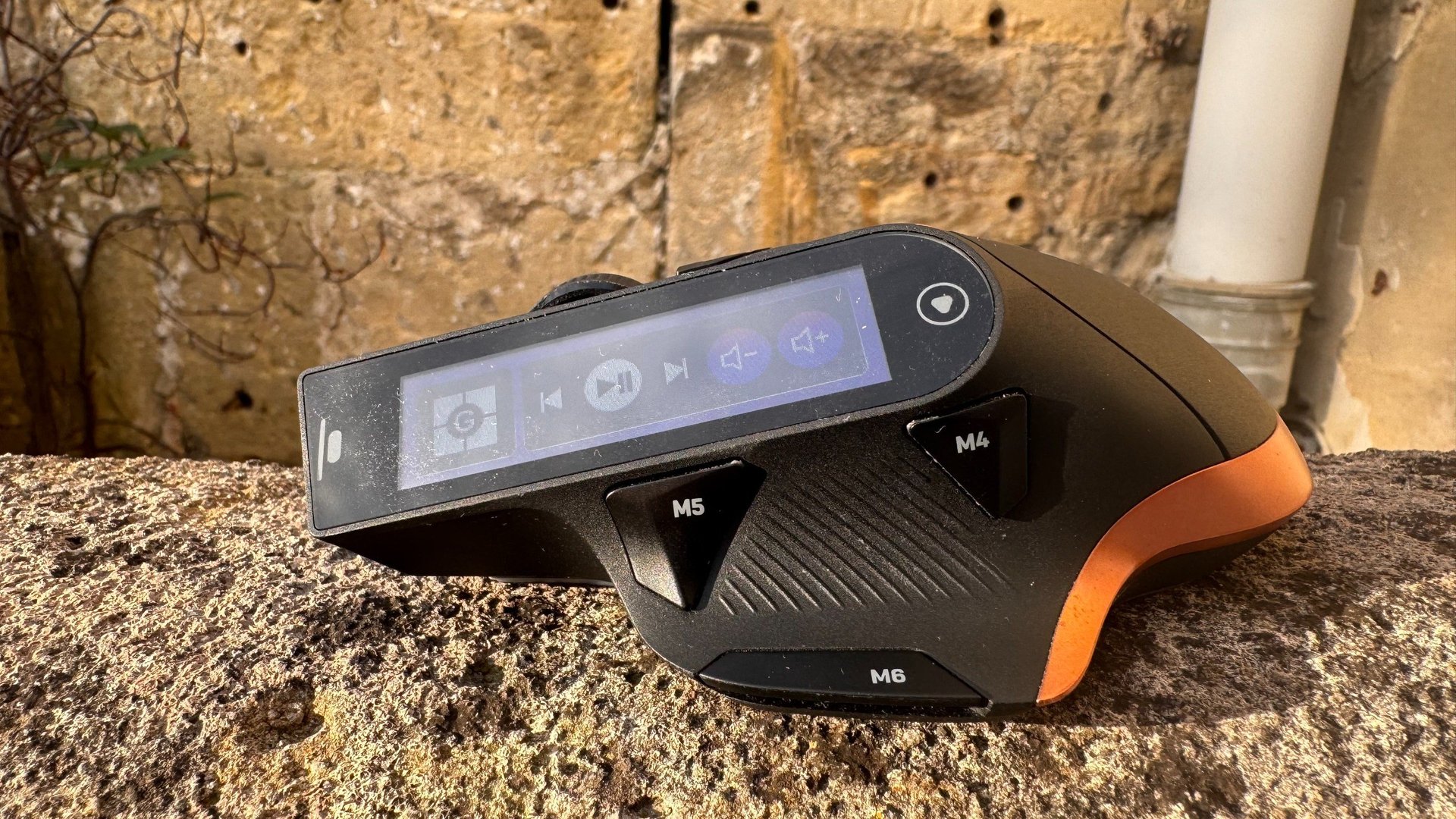
Every Turtle Beach MC7 review comes back to the same question: who asked for a 2.25-inch touchscreen bolted to the side of a gaming mouse? The $160 Command Series MC7 has a genuinely good sensor and a clever battery system, and both are held back by the feature Turtle Beach put front and centre. PC Gamer scored it 57 out of 100, and The Verge called it an “over-engineering nightmare”. We think the screen is the gimmick, and the main reason most buyers should skip this mouse.
What the sensor and batteries get right
The hardware underneath is not the problem. PC Gamer calls the Owl-Eye sensor “great”, consistent and smooth, a slightly customised version of the PixArt PAW3950 that tops out at 30,000 DPI. The Titan Optical switches are “very responsive”, with no double-clicks during testing, although the clicks are “a tad loud”. Polling goes up to 8,000 Hz.
The battery setup is the other highlight. The MC7 ships with two 1,000 mAh hot-swappable batteries and a charger that also holds the 2.4 GHz receiver, so one USB port covers everything. Swapping takes about twenty seconds, and the reviewer never noticed the mouse dying mid-swap. They were swapping every few days at 1,000 Hz, which they called “perfectly solid”.
Where the touchscreen falls apart
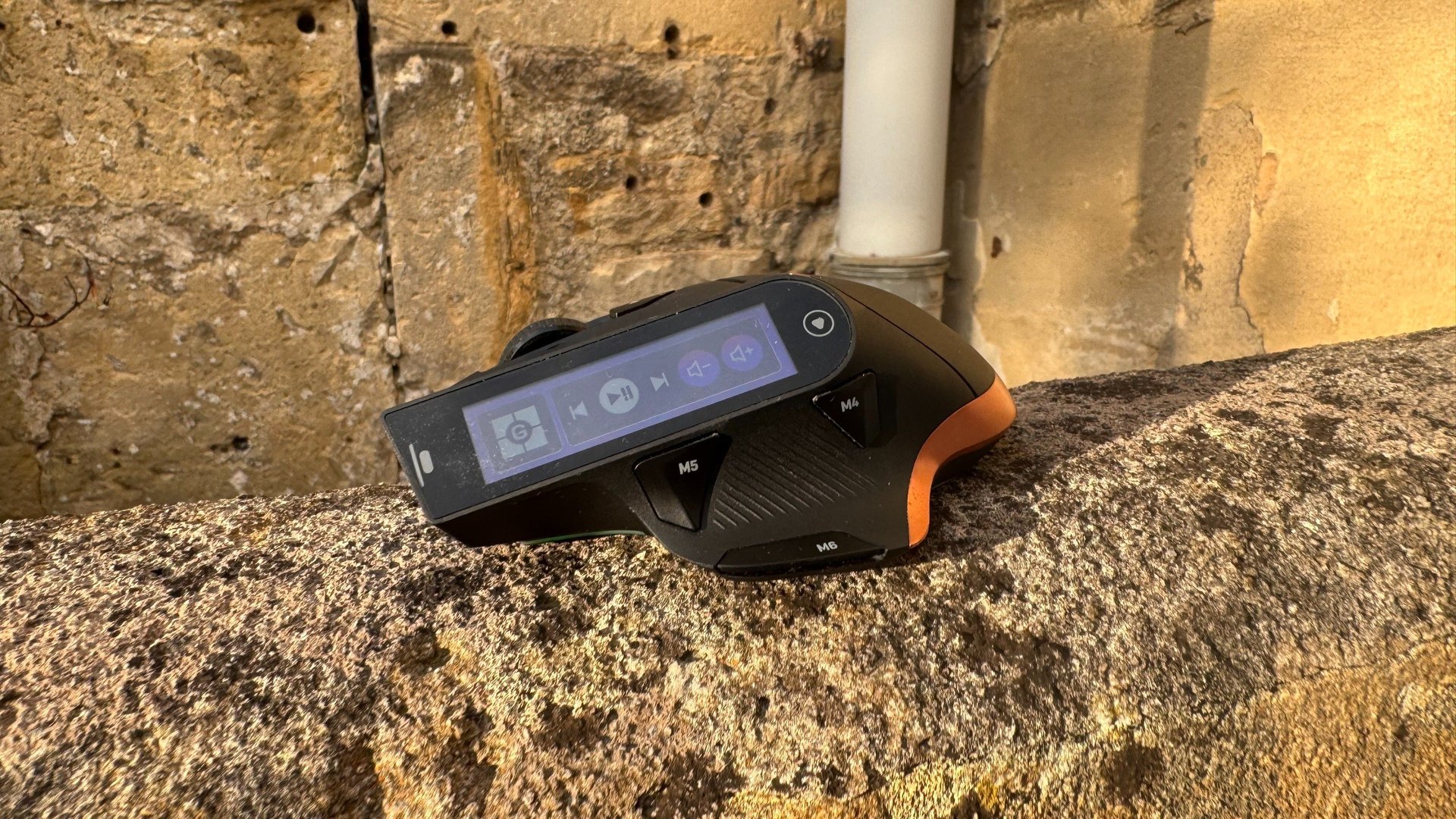
The pitch is a built-in Stream Deck. The Verge describes the display bar as a place for macros, app shortcuts and OBS controls, and compares it with the MacBook Pro Touch Bar that was easy to hit by accident. That worry looks justified. PC Gamer says the screen sits close enough to the fingers that DPI changed whenever the hand left the mouse and came back, and the reviewer could not find a way to lock it.
Reaching it is awkward too. Having to arch the fingers to tap it means it is “not intended for quick play”, and the panel is too long to use all of it comfortably, even with large hands. Viewing angles are poor, so the colour display can look washed out from a normal gaming position, and clicking the screen brings a hollow vibration the reviewer did not like.
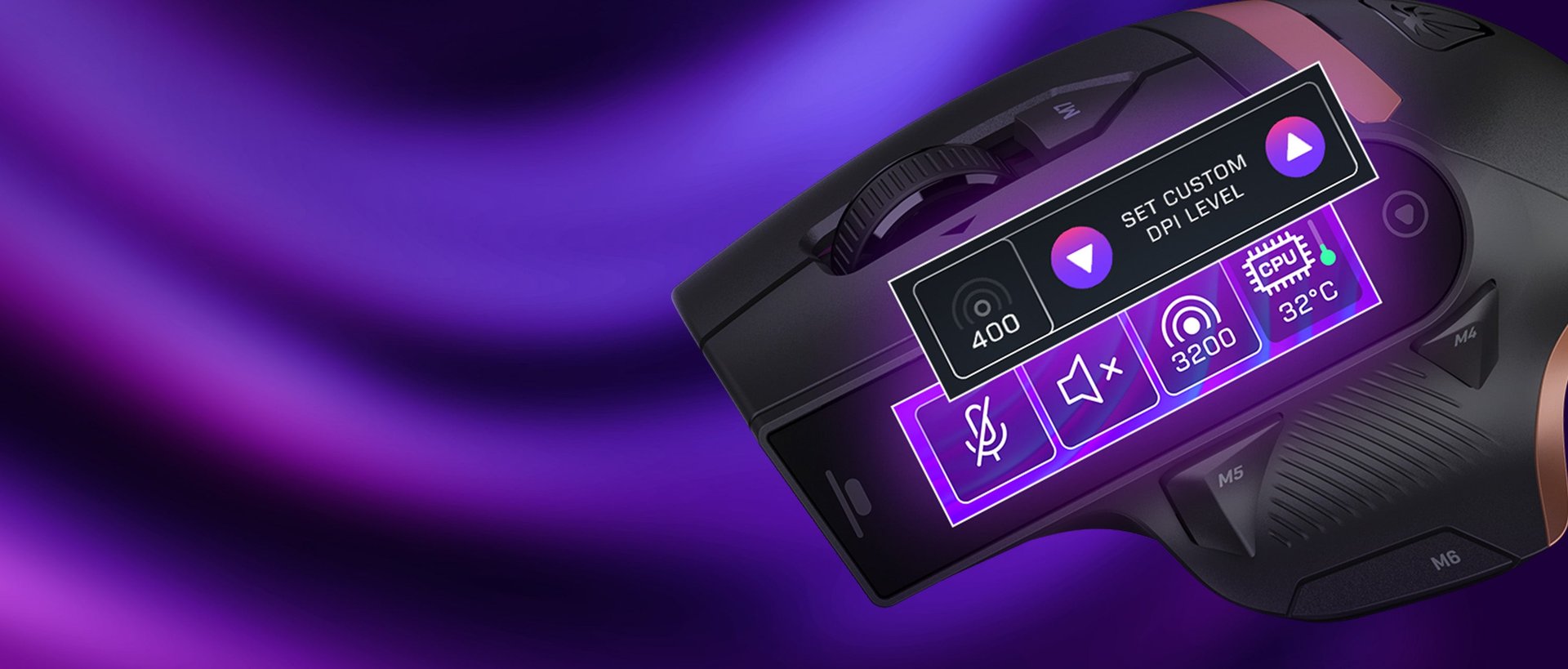
The jobs the screen does well, such as showing DPI, polling rate and battery, are things the mouse’s lighting can already cover. That leaves a very expensive way to change a song.
Bulk, comfort and software
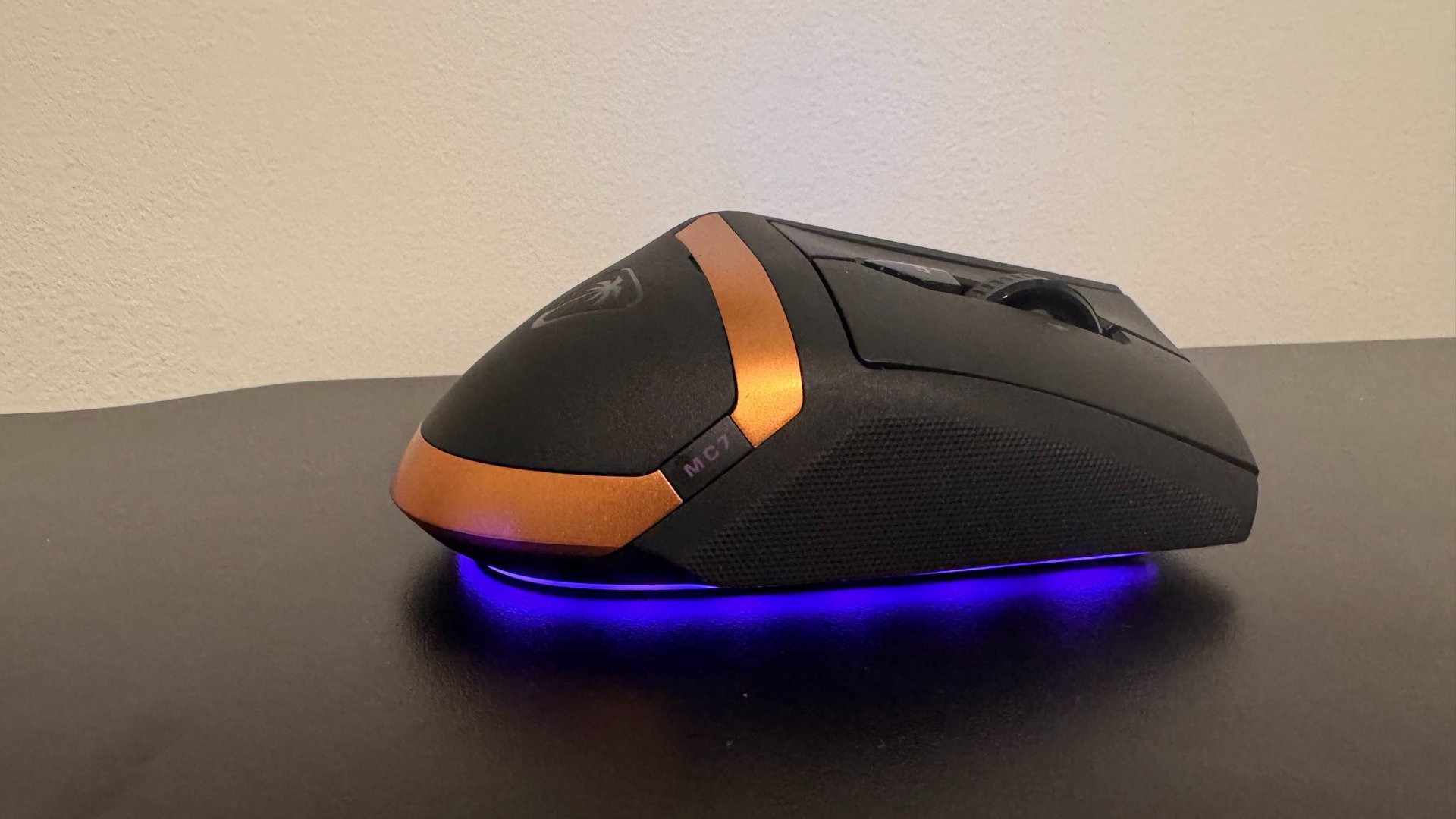
At 135 g, the MC7 is a fairly heavy mouse, and the weight is not balanced in a comfortable way. There is a slight rattle at high speed, apparently from the 4D scroll wheel. The two buttons either side of the thumb groove are awkward to reach, and the reviewer felt they were holding it “just a little wrong” however they gripped it. The verdict is blunt: it is “ugly, unwieldy, and not as comfortable as I’d like”.
Software adds to the frustration. Customising the screen needs Turtle Beach’s Swarm II app, and the latest update, version 1.0.0.63, stopped opening on the reviewer’s PC just as the review wrapped up. Customisation also falls short of a true Stream Deck, because you cannot set fully custom controls.
Price makes it harder to forgive
At $160, you could instead buy the Razer Viper V4 Pro, PC Gamer’s top wireless pick, for the same money. The choice, in its words, is an overall better, lighter mouse, or the screen. For competitive play the MC7 is “simply not comfortable nor snappy enough”. If speed is what you are after, our take on the Logitech G Pro X3 Superstrike is a better place to start.
Turtle Beach is clearly betting on displays and touch controls across its range, and the more modest end of that idea, like the Stealth Flip controller that swaps thumbsticks for touchpads, is easier to get behind. A mouse you have to lift your hand from to use a screen is a much harder sell.
Buy if, skip if
- ✅ Buy if you want a large touchscreen on a mouse. PC Gamer could not find another modern gaming mouse with a screen this big from a reputable brand.
- ✅ Buy if hot-swappable batteries and a 30,000 DPI sensor appeal and you can live with a bulky shape.
- ❌ Skip if you play competitively. It is neither comfortable nor snappy enough.
- ❌ Skip if you only want a small display for DPI and battery. Smaller OLED screens exist on mice from SteelSeries and Cooler Master.
Our take
We would skip it. The sensor and the battery dock are good ideas, and they are the parts we would like to see on a cheaper, lighter mouse without the screen. As it stands, the MC7 asks $160 for a touchscreen that is easy to trigger by accident and awkward to reach, wrapped in a shape that is heavy and hard to hold. Wait for Turtle Beach to refine the idea, or spend the money on a proven mouse.