Street price drift
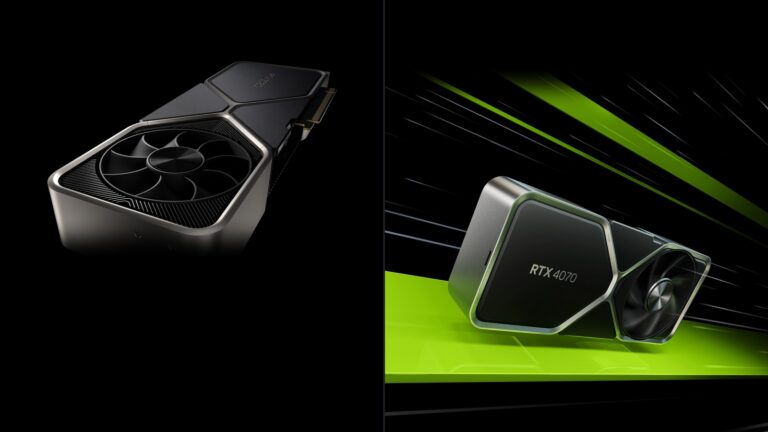
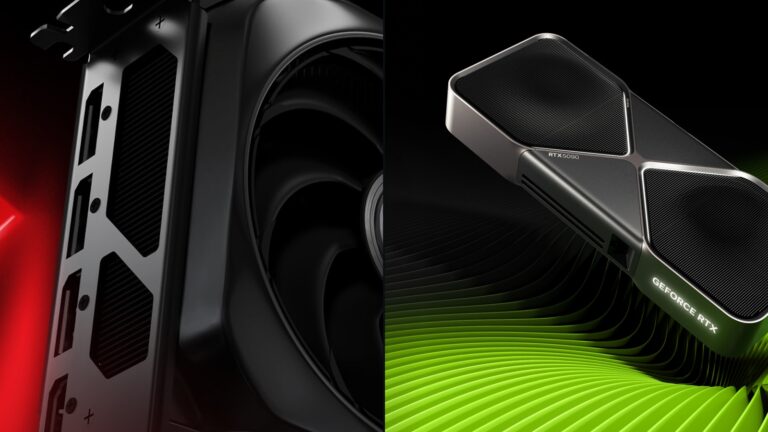
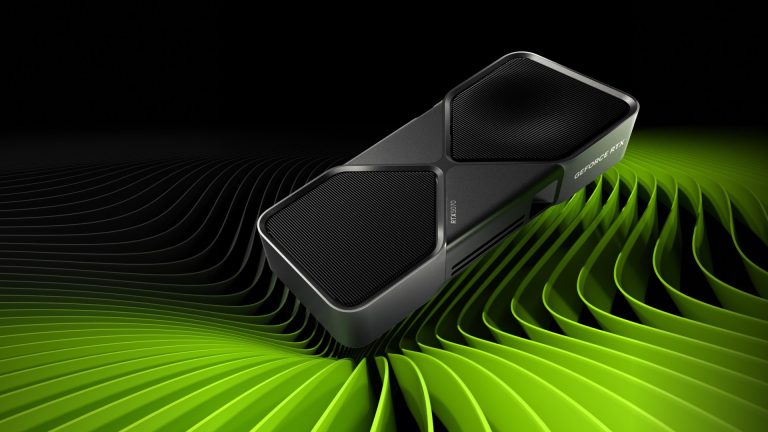
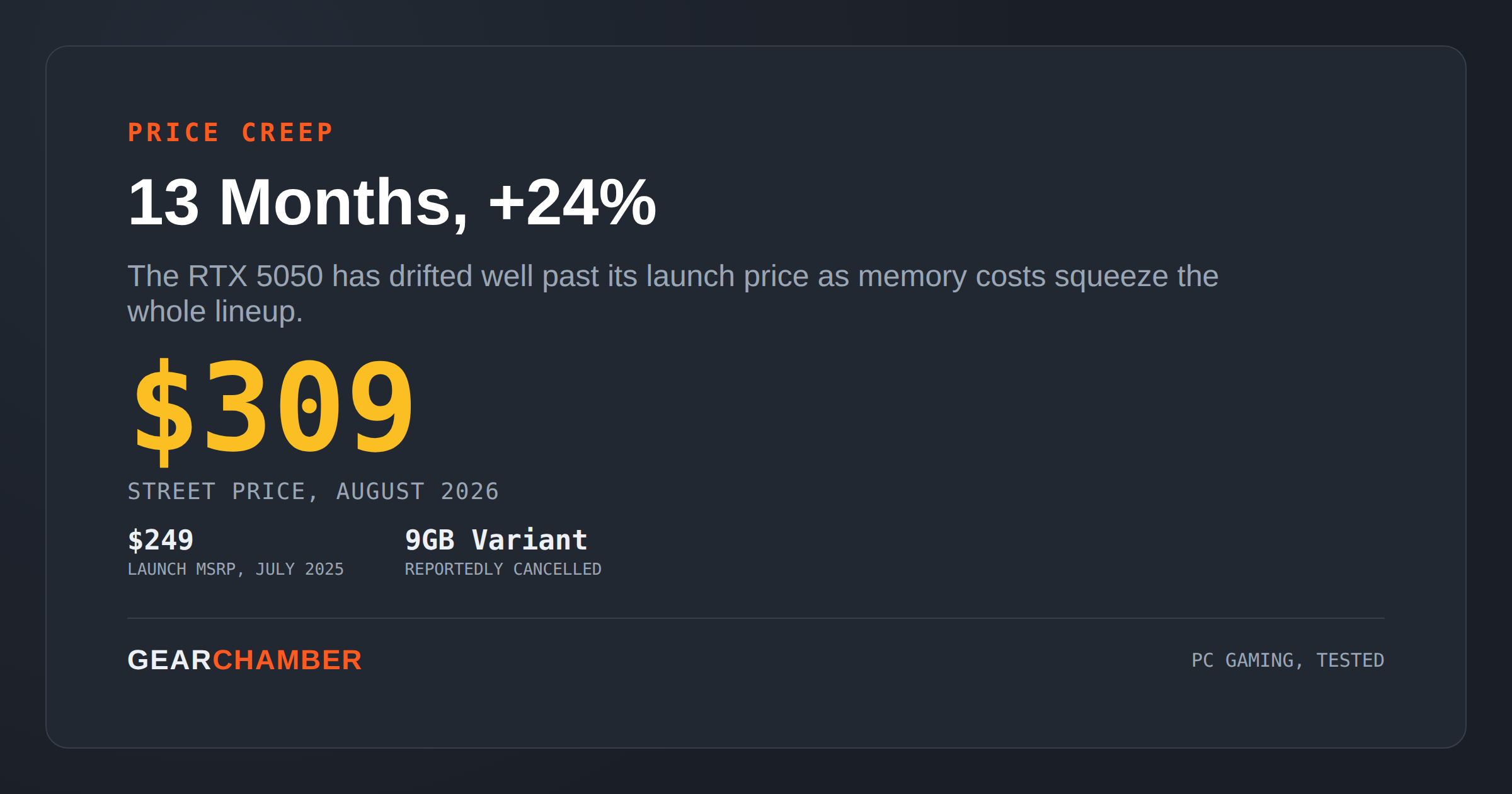
The RTX 5050 launched in July 2025 as Nvidia’s answer to “budget Blackwell” at a $249 MSRP. Thirteen months later, it’s the closest thing to an entry-level RTX 50-series card still on shelves, but it isn’t cheap anymore: street prices have drifted to around $309, a roughly 24% premium over launch. And the fix that was supposed to make the card more competitive — a 9GB GDDR7 variant with more memory bandwidth — has reportedly been cancelled outright, according to Igor’s Lab and VideoCardz, after leaker MEGAsizeGPU first reported it was paused back in June.
The RTX 5050 as it actually ships is a modest card: 2,560 Blackwell CUDA cores, a 2.31GHz base clock, 8GB of GDDR6 on a 128-bit bus, and a 130W TDP that runs off a single 8-pin connector. It carries the full Blackwell feature set down to this price point — 5th-gen Tensor Cores, 4th-gen RT cores, DLSS 4 with Multi Frame Generation — which is the actual selling point over Nvidia’s own RTX 4060 from the previous generation.
The 9GB variant’s cancellation comes down to weak differentiation rather than a simple shortage story. Per Igor’s Lab, the extra memory would have added only 16GB/s of bandwidth over the 8GB card (336 vs. 320GB/s) while requiring an awkward 96-bit memory interface that’s hard to explain to a budget buyer, and board partners reportedly saw no market gap worth the validation cost of custom designs. The bigger factor: Nvidia had already relaunched the RTX 3060 12GB through partners like Manli this year, which lands in the same budget segment and made a 9GB middle-ground card redundant before it shipped. That relaunch — like the RTX 5050’s own price creep — traces back to the same GDDR memory squeeze that’s pushed RTX 5070 and 5060 Ti pricing up as much as 39% in the past two months.
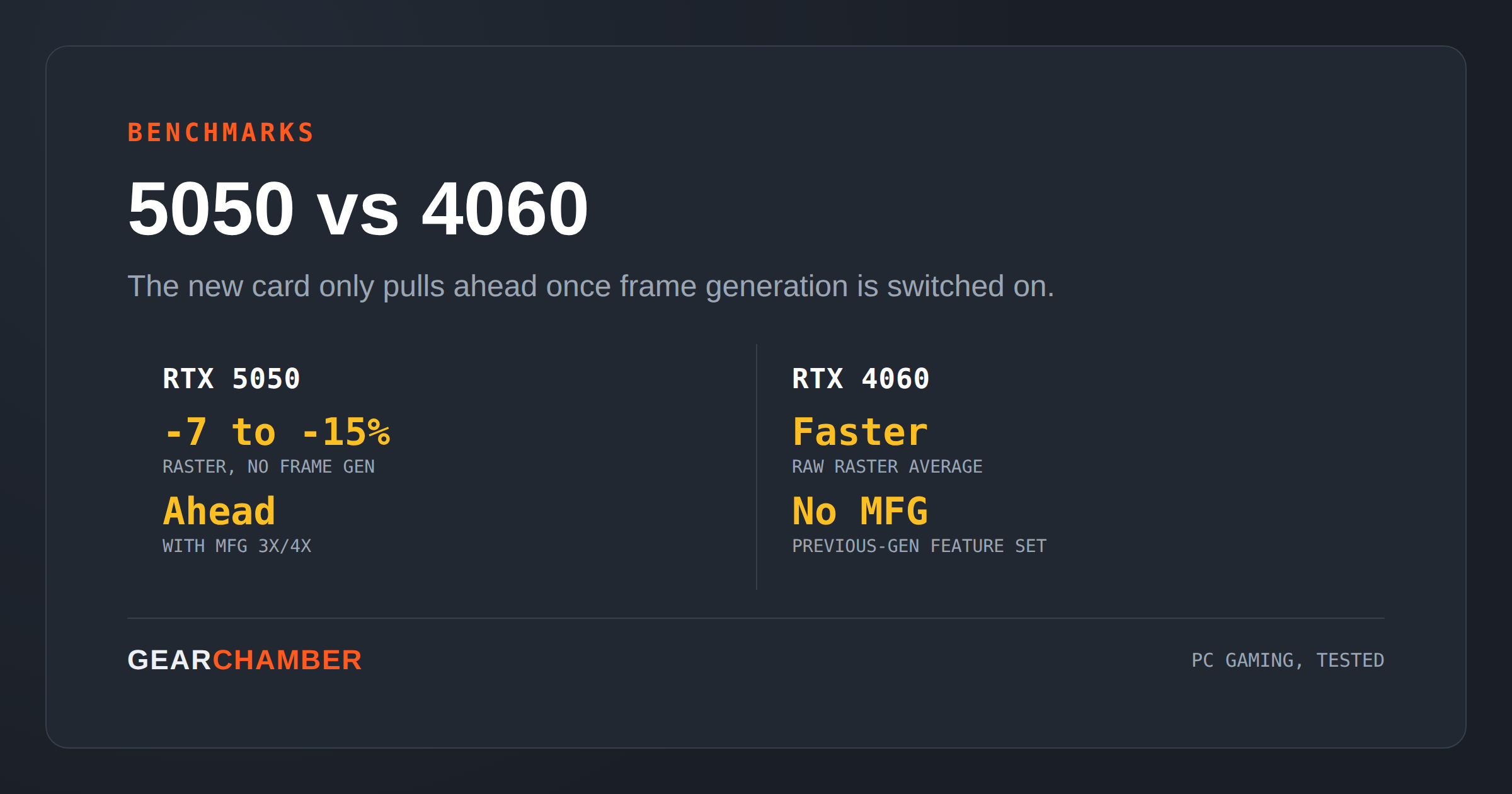
Independent benchmarks put the RTX 5050 roughly 7-15% behind the RTX 4060 in raw 1080p raster performance across a spread of games, though the two trade blows in synthetic tests like 3DMark Steel Nomad and Port Royal. The RTX 5050 only pulls ahead decisively once Multi Frame Generation is switched on at 3x or 4x — without it, buyers are paying 2026 prices for a card that a two-generation-old GPU still beats in raw output.
At $249, the RTX 5050 was a reasonable pitch: DLSS 4 and modern RT hardware at the bottom of the stack. At $309, it’s a much harder sell, especially against Nvidia’s own revived RTX 3060 12GB competing for the same buyers. If you already own an RTX 4060 or an RTX 3060, this isn’t an upgrade regardless of price. If you’re shopping fresh, it’s worth checking current street pricing on both before buying — the gap between them has been shrinking as memory costs squeeze the whole lineup, and neither card was designed to be priced where the market has pushed it.