The $549–$599 fork is the real answer
The best GPU for 1440p in late 2026 is not a halo card — it is whichever near-MSRP part in the $549–$599 band you can actually buy. We have not bench-tested these GPUs in-house; the figures below come from named lab databases and reviews.
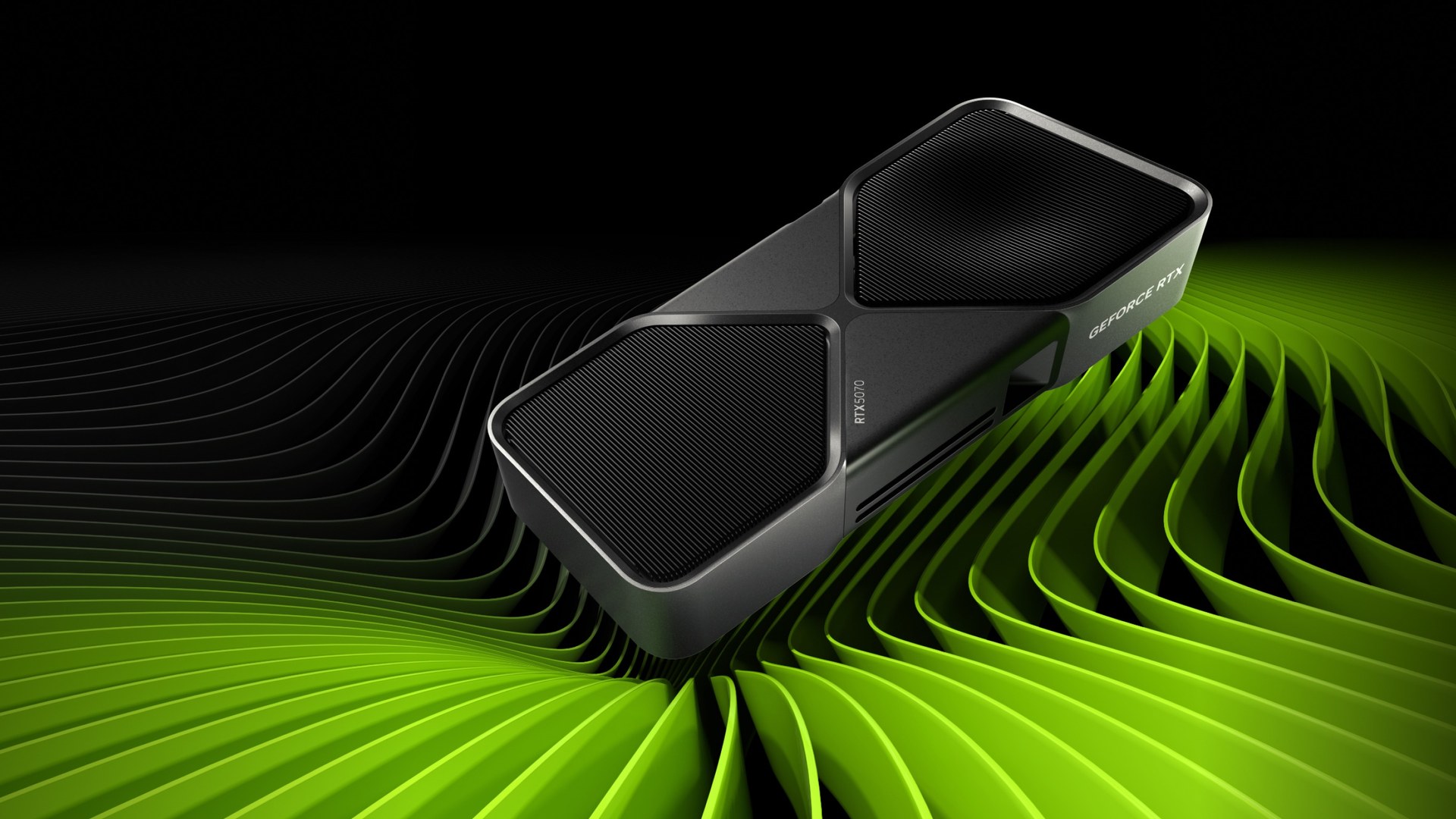
Tom’s Hardware’s RX 9070 XT review puts the GeForce RTX 5070 at $549 and the Radeon RX 9070 XT at $599. On TechPowerUp’s GPU database relative Performance Summary (the same index we used for card-vs-card pieces), the 9070 XT sits around 259 while the 5070 sits around 211 — a clear raster lead for AMD on that roll-up (RX 9070 XT specs, RTX 5070 specs).
| Card | MSRP (Tom’s / Nvidia class) | TPU relative index |
|---|---|---|
| RX 9070 XT | $599 | ~259 |
| RTX 5070 | $549 | ~211 |
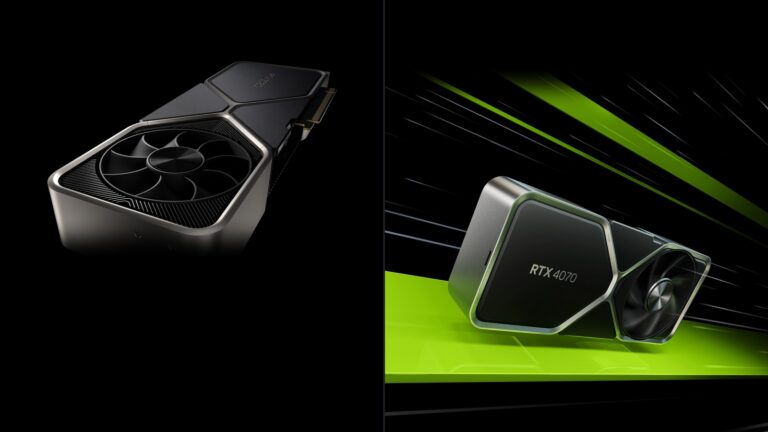
| RTX 4070 class (last-gen ref) | $549 start (Nvidia page) | ~189 |
When to step down — or stay put
If the street price for either 50/9000-series card is scalped far above those MSRPs, the “best” label collapses. Our RTX 5070 vs RX 9070 XT guide walked the same fork in detail: take the 9070 XT for raster + 16GB when it is near $599, and the 5070 when DLSS 4 / Reflex matter more than the mid-20s percent gap on TPU’s index.
Budget 1080p cards are the wrong tool here. The RTX 5060 vs RTX 4060 write-up shows how far a 5060-class part sits below that 1440p band on the same relative chart — fine for 1080p, short for high-refresh 1440p ultra presets.
- Buy RX 9070 XT near $599 for the default 1440p raster + VRAM pick on today’s TPU index.
- Buy RTX 5070 near $549 when Nvidia’s upscaling/RT feature stack is non-negotiable.
- Skip both if listings are $150+ over MSRP — wait, or retarget the budget into CPU/storage instead.
Building the rest of the machine around that GPU? GearChamber’s PC Builder keeps the cooler, board, and PSU from quietly eating the frame-rate budget.
Power and cooling still decide whether a “best” GPU feels best in your case. A 9070 XT or 5070 that thermal-throttles in a tiny chassis will look worse than a cooler last-gen part with headroom. Check case airflow and PSU headroom in the builder before you chase a chart lead — the relative index assumes a healthy sample, not a 40 °C hotspot.
Refresh-rate targets change the answer too. A stable 1440p 144 Hz high preset is a different ask than unlocked competitive settings. If you mainly play esports titles, you can often step down a tier and spend the difference on the monitor; if you want path-traced single-player games, bias Nvidia’s stack even when AMD wins the raster table.
Resolution alone does not define the purchase. A 1440p ultrawide or a high-Hz IPS panel asks more of the GPU than a standard 27-inch 144 Hz screen. Match the card to the monitor you already own (or will buy this month), not to a future panel you might never order. That discipline keeps the best GPU for 1440p from turning into a wishlist item that never leaves the cart.
Creator workloads deserve a short aside. If you edit 4K timelines or run local AI tools beside games, VRAM headroom and encoder quality matter as much as the raster index. In that case the 16GB 9070 XT class or a higher Nvidia SKU can be the rational pick even when a cheaper 8–12GB part looks fine on a pure gaming chart.
Our take
For a clean 1440p build we would rather pay Tom’s MSRP for a 9070 XT than stretch into a scarce Ti/80-class card. The best GPU for 1440p is the one you can purchase near the published number — not the one that wins a spreadsheet while sitting behind a “sold out” badge.
Figures from Tom’s Hardware’s RX 9070 XT review and TechPowerUp relative performance pages for the RTX 5070 and RX 9070 XT, checked 4 November 2026.