Two Gamescom reveals
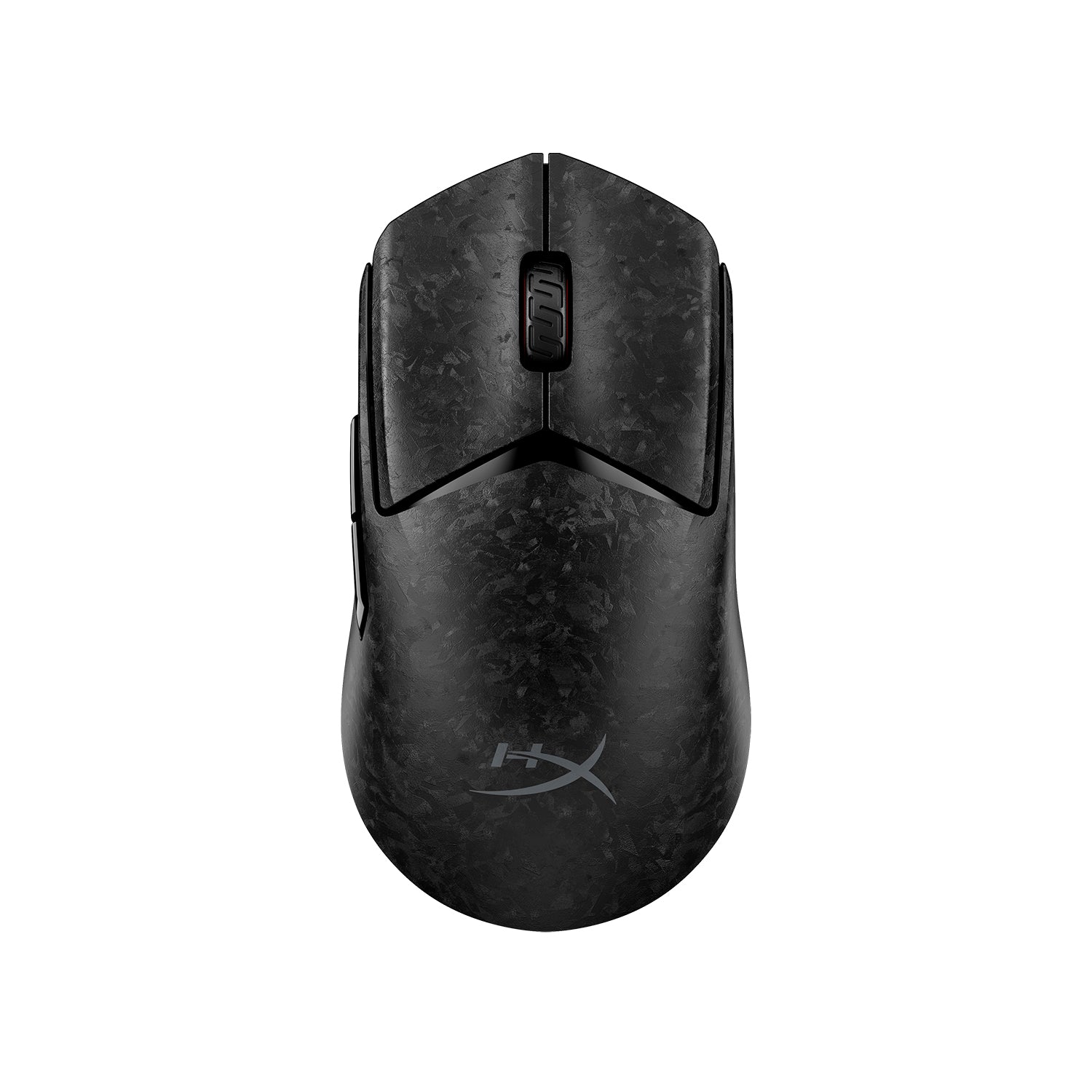
HyperX unveiled its first open-back gaming headset this week, alongside a new flagship wireless mouse, with both landing in September. The Cloud Alpha Air headset is priced at $149.99 and the Pulsefire Haste 3 Pro mouse at $129.99, and the company showcased both at Gamescom 2026 in Cologne after announcing them August 20.
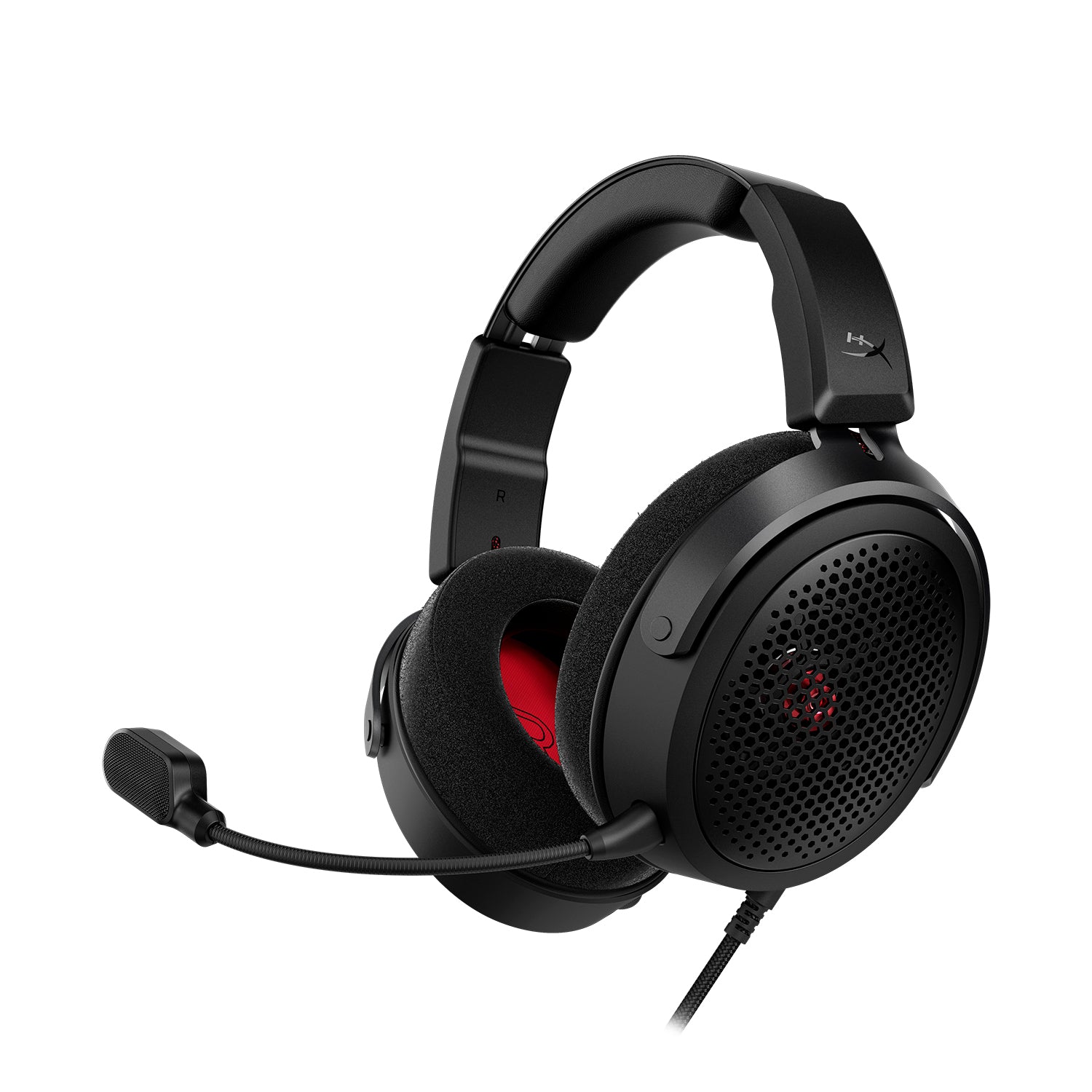
The headset is the bigger departure for HyperX. Open-back designs are common in audiophile and studio gear because the vented earcups create a wider, more natural soundstage, but that same venting normally costs a headset its low-end punch. HyperX says its Bass Tube design is built to claw that bass back without sealing the earcups shut, while still giving players the wider stereo imaging open-back fans favor for picking out footsteps and directional cues. The Cloud Alpha Air connects over USB-C, USB-A, 3.5mm, or a bundled wireless dongle, and pairs Ultrasuede padding with a metal-reinforced headband.
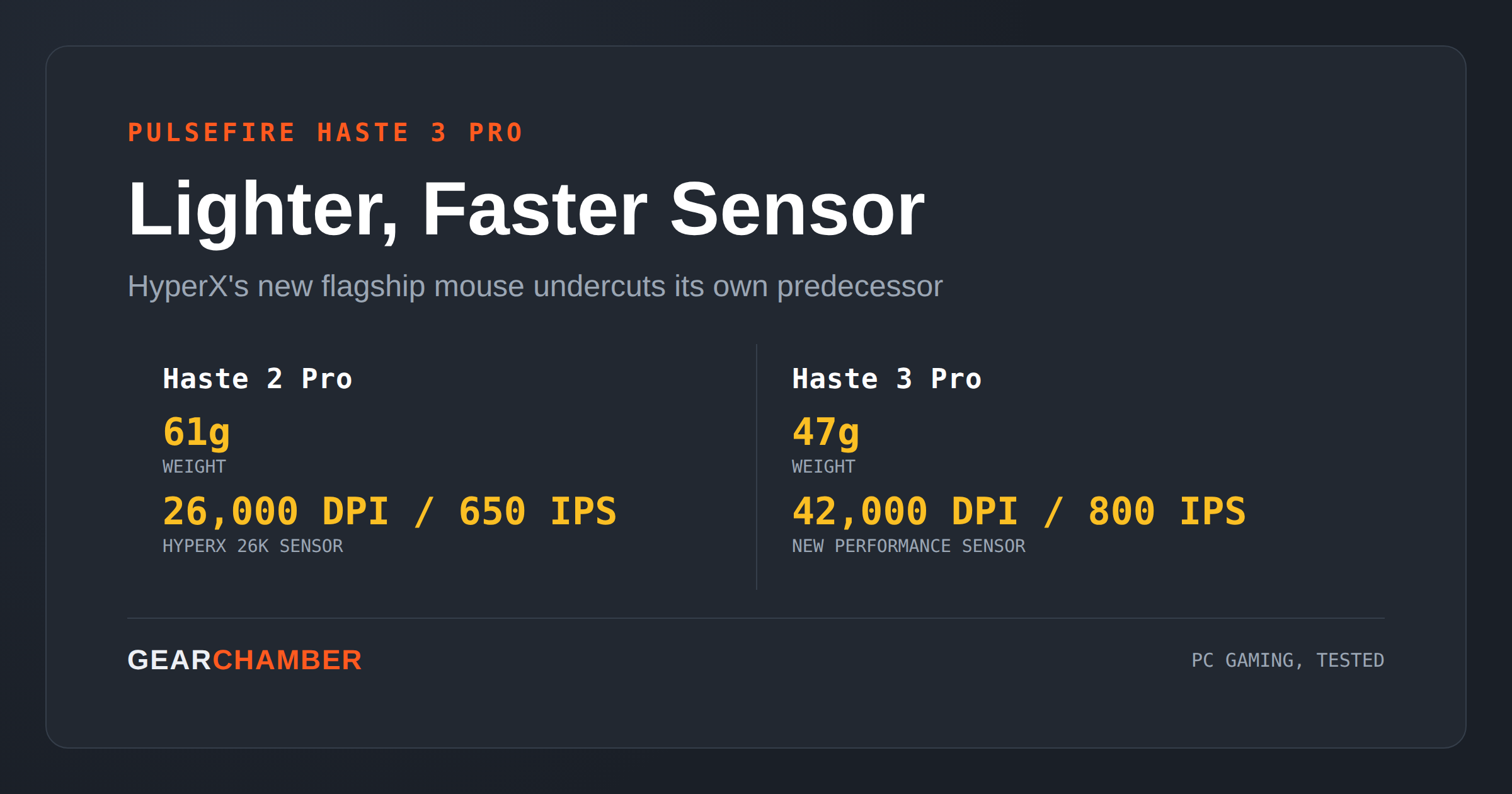
The Pulsefire Haste 3 Pro is a more straightforward generational jump. It drops to 47 grams from the 61-gram Haste 2 Pro, and swaps in a new HyperX Performance Sensor rated for 42,000 DPI and 800 inches-per-second, up from the 26K sensor’s 26,000 DPI and 650 IPS. It also adds support for up to 70G of acceleration, against 50G on the previous model. Few players will ever push DPI or IPS numbers that high in practice, but the 14-gram weight cut is the kind of change that’s actually noticeable in hand.
Neither product has been independently tested yet, so how well Bass Tube actually solves open-back’s bass problem is still an open question, not a confirmed one. HyperX has made bold audio claims on past headsets that held up better in marketing copy than in reviews. The Haste 3 Pro’s sensor jump is at least a straightforward spec upgrade with less room for interpretation.
Both products are set for a September 2026 release without a firmer date yet. Competitive players chasing lower weight and higher polling accuracy have the clearer upgrade case with the Haste 3 Pro; anyone curious about the headset should wait for hands-on reviews before betting $150 on Bass Tube living up to the pitch.