Lossless wireless claim
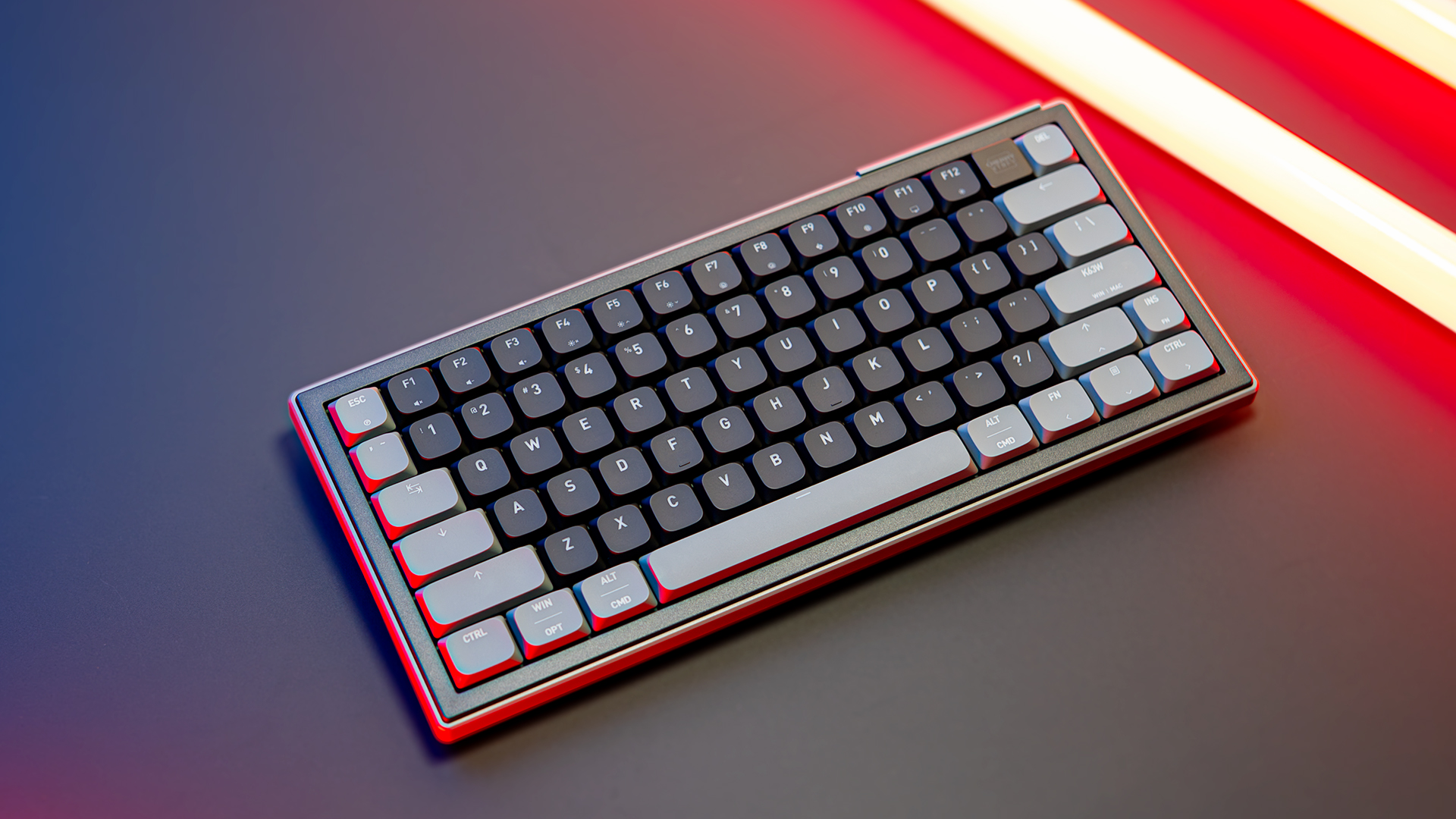
Cherry XTRFY has launched the K63W Pro Compact, a wireless keyboard the company is billing as the first to hit a genuinely lossless 8,000Hz polling rate over the air. That’s a claim built on ultra-wideband (UWB) radio rather than the standard 2.4GHz dongles most wireless gaming peripherals rely on, and it’s aimed squarely at players who’ve stuck with wired boards because wireless has historically meant a latency or reliability tax. It’s available now in the US at $169.99, with a €179.99 price in Europe.
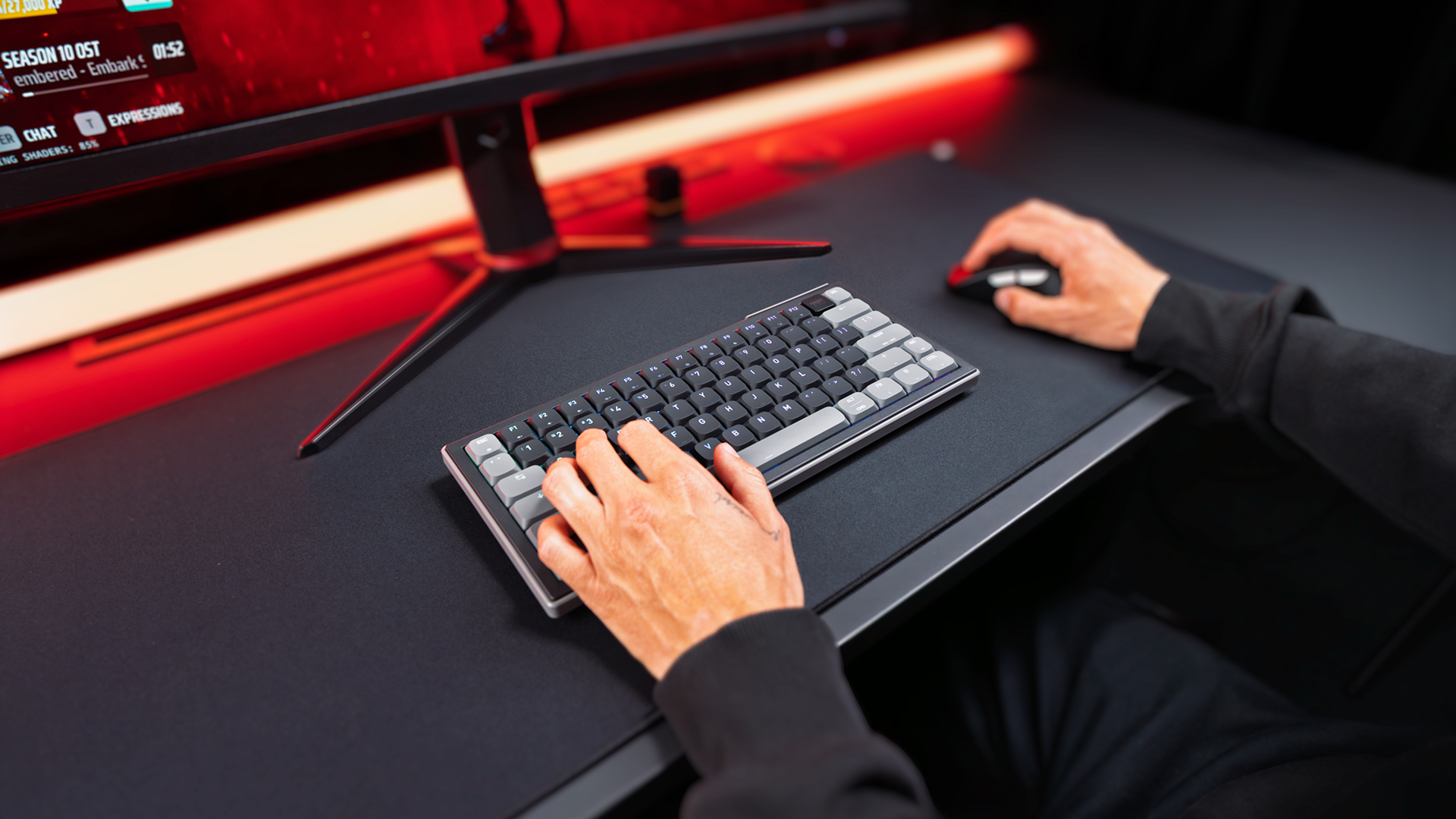
The spec sheet is built for the esports crowd: CHERRY MX Low Profile 2.0 switches on a gasket-mounted plate, a compact 70% layout that drops the numpad and function-row spacing without losing dedicated arrow keys, full N-key rollover, and per-key RGB. Battery life is rated at up to 1,100 hours on a 6,000mAh cell, though that figure will shrink considerably with RGB lighting and the top polling rate both switched on. The 8,000Hz number itself comes with a caveat worth knowing before you buy: it’s only achievable in wired mode. Connect over the UWB dongle and the ceiling drops to 4,000Hz, still four times higher than most 2.4GHz gaming keyboards manage.
The reason UWB matters here is technical rather than marketing: standard 2.4GHz wireless shares crowded spectrum with Wi-Fi, Bluetooth, and every other 2.4GHz peripheral on a desk, which is part of why most wireless keyboards cap out around 1,000Hz to 2,000Hz without dropping packets. UWB uses a wider frequency band and shorter pulses, which is the same underlying tech Apple and Samsung use for precise item-finding trackers, and it gives Cherry XTRFY room to push polling rate without the interference problems that would come from just cranking up a 2.4GHz signal. Early reviewers testing the board have generally praised the build quality and battery life, while noting that the 8,000Hz headline is more bragging right than practical necessity — most players won’t consciously feel the difference between 8,000Hz and 1,000Hz on a keyboard, since the effect is far more noticeable on a mouse.
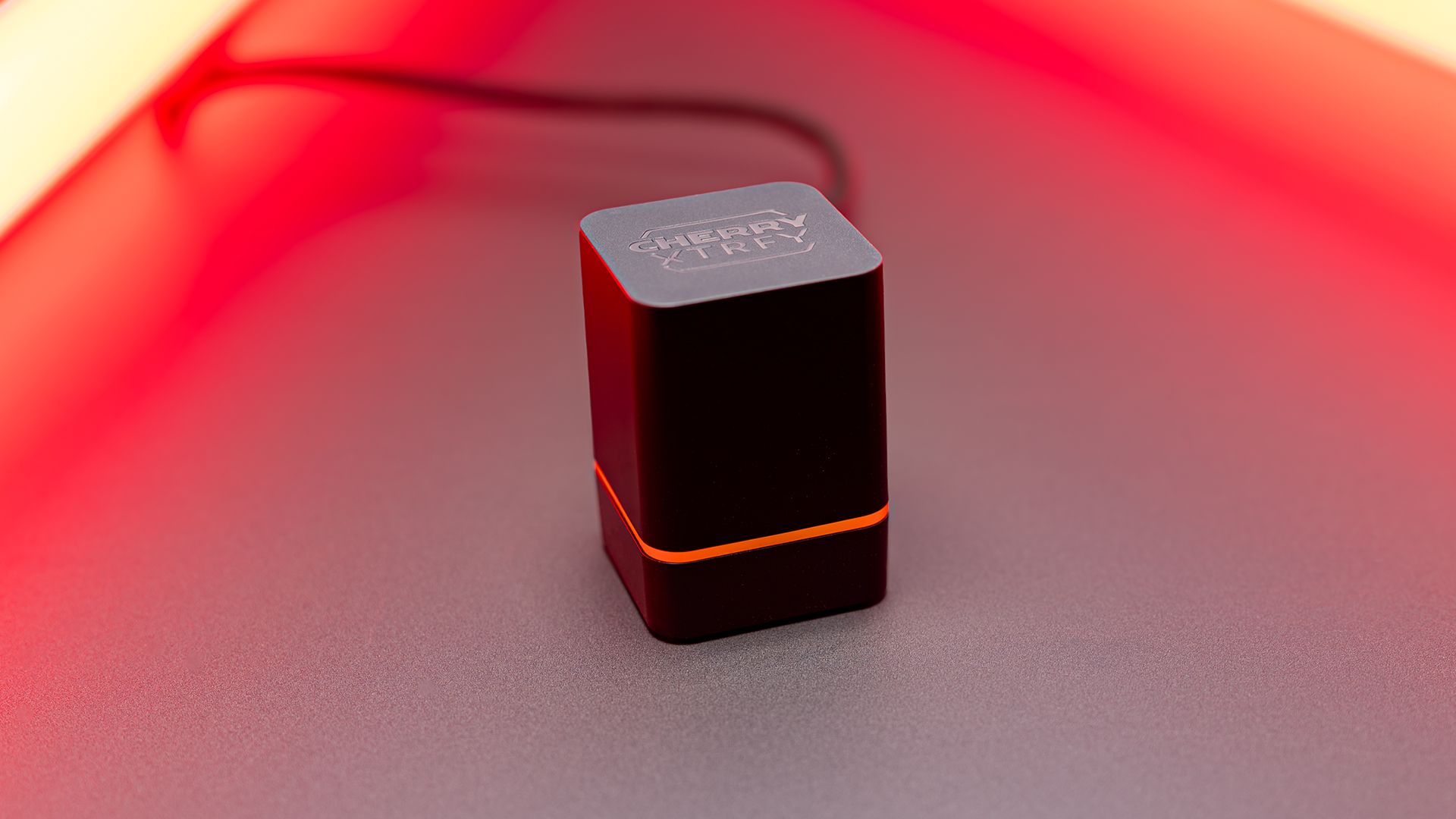
At $169.99, the K63W Pro Compact sits in premium keyboard territory, competing less on price than on being one of the first practical demonstrations of UWB in a mainstream gaming peripheral. For competitive players chasing every fraction of a millisecond, it’s a wired-tier keyboard that happens to also go wireless without the usual compromises. For everyone else, the low-profile switches, compact layout, and battery life are the real sell, and the polling-rate number is worth treating as a nice-to-have rather than the reason to buy. Watch for UWB tech to start showing up in mice next, where the latency gains are more likely to actually be felt.