Mid-range prices climbing
Nvidia’s mid-range GeForce RTX 50-series cards just got noticeably more expensive, and the trend is moving in the wrong direction for anyone waiting out the market. Between June and August 2026, median street prices for several popular RTX 50 cards climbed by double digits, driven by a worsening global DRAM and GDDR memory shortage that’s pulling supply away from gaming GPUs and toward AI accelerators. For buyers who assumed prices would settle back toward MSRP a year after launch, the data says the opposite is happening.
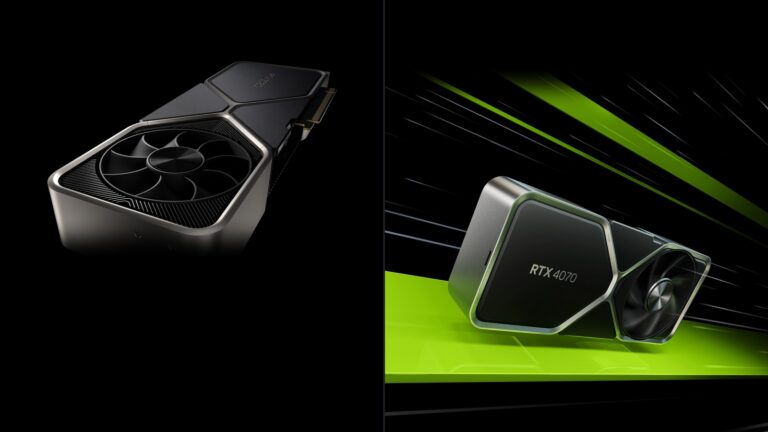
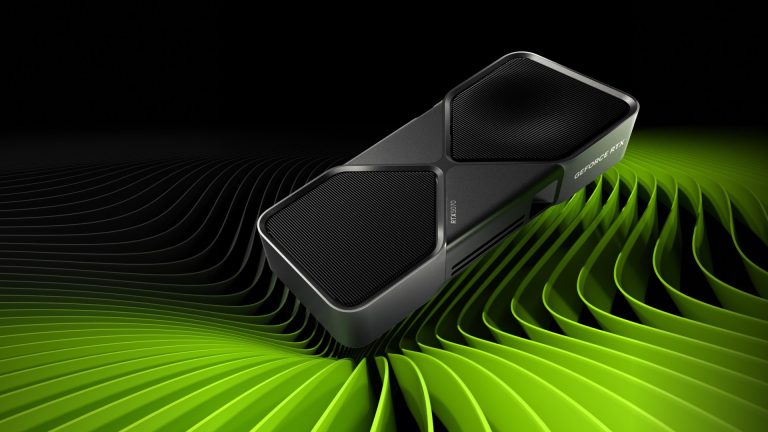
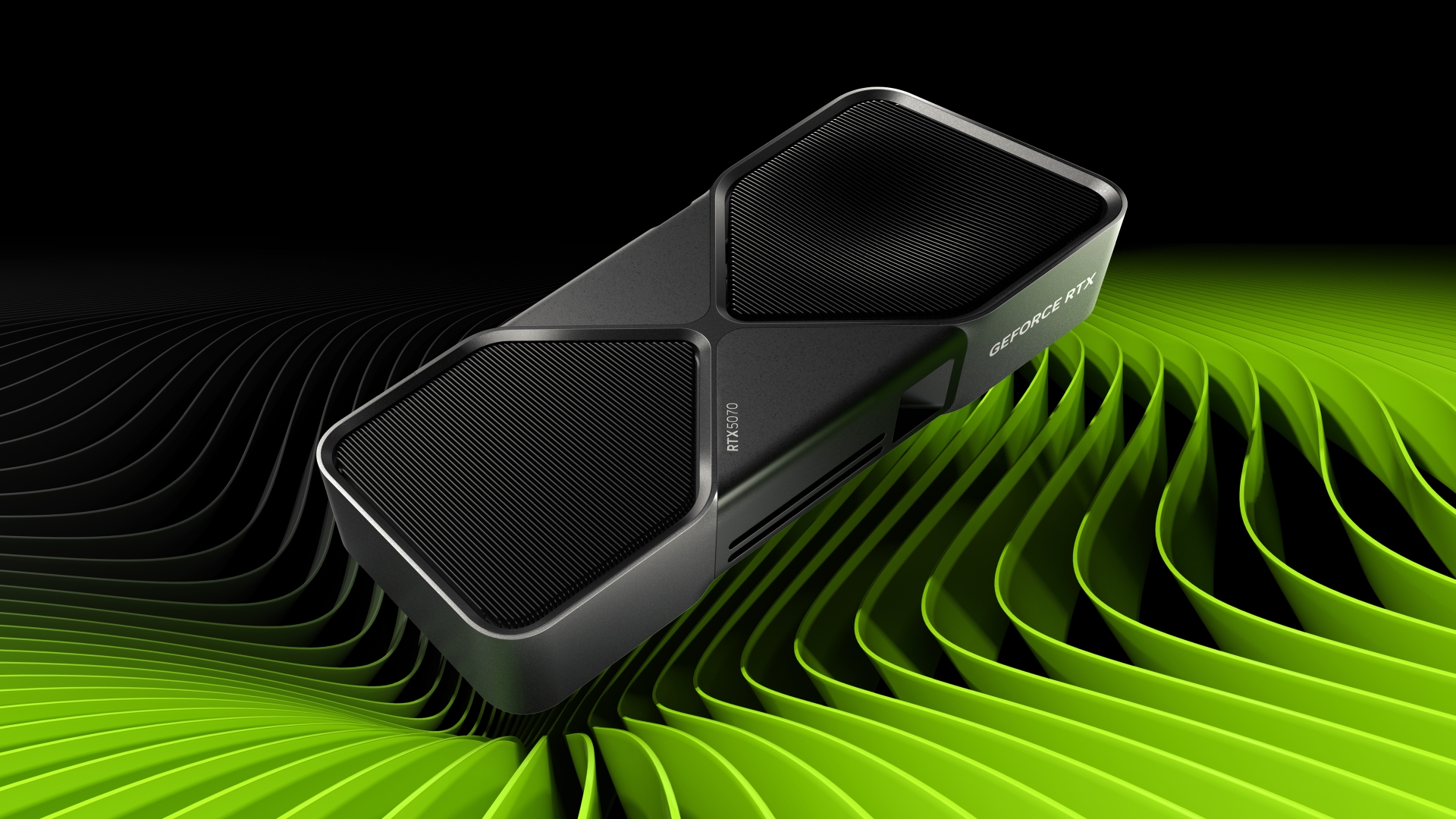
The numbers are stark. The RTX 5060 Ti 16GB went from a median $569.99 in June to $804.99 in August, a 39% jump in two months. The RTX 5070 rose 36% over the same window, from $659.99 to $899.99. Both cards now sell well above their original MSRPs: the RTX 5060 Ti launched at $429 for the 16GB model, and the RTX 5070 was slated to retail from $549. That puts current street prices roughly 60-90% above launch pricing. Notably, the RTX 5060 Ti’s 8GB variant has stayed far more stable, rising from $469.99 to $529.99, a sign the shortage is hitting memory-heavy cards hardest.
The root cause traces back to DRAM contract pricing, which rose roughly 80% quarter-over-quarter in Q1 2026, with another 13-18% increase forecast for Q3. GDDR6 and GDDR7 suppliers are reportedly steering wafer capacity toward HBM and server DRAM for AI accelerators, where margins dwarf what a gaming card’s memory chips bring in. In response, Nvidia has been prioritizing production of the RTX 5060 and 5060 Ti 8GB, its lowest-memory, cheapest-to-build SKUs, while cutting shipments of the 16GB 5060 Ti and the RTX 5070 Ti. AMD isn’t offering an escape route either: Radeon RX 9070 and 9070 XT pricing, which launched at $549 and $599 respectively, is climbing for the same memory-supply reasons.
The timing compounds the problem. Rumors of an RTX 50 Super refresh, which many buyers were holding out for, now point to a delay into 2027, meaning the current lineup could be the only option on shelves well into next year. Component distributor PC Partner Group has separately warned that graphics card shortages are set to get even more severe specifically in the entry-level segment, suggesting relief isn’t coming from the bottom of the stack either.
For anyone shopping now, the practical takeaway is to prioritize 8GB and lower-VRAM cards if a purchase can’t wait, since they remain the closest to MSRP, and to treat any 16GB card’s current price as a moving target rather than a floor. Watch Nvidia’s next earnings call and Q3 DRAM contract pricing for the next signal on where this heads; neither is expected to bring the shortage to an end.