Charm with a memory ceiling
The Acemagic Retro X3 dresses like a late-1980s games console and, at around $549, mostly behaves like a sensible desktop. Then comes the RAM. Our Acemagic Retro X3 review roundup rests on one full review, TechPowerUp’s from 16 November 2026, and its biggest worry is ours too: 16 GB, soldered, final.
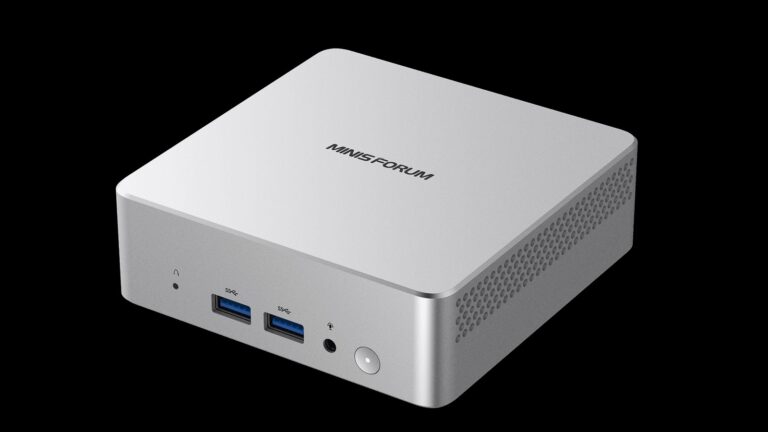
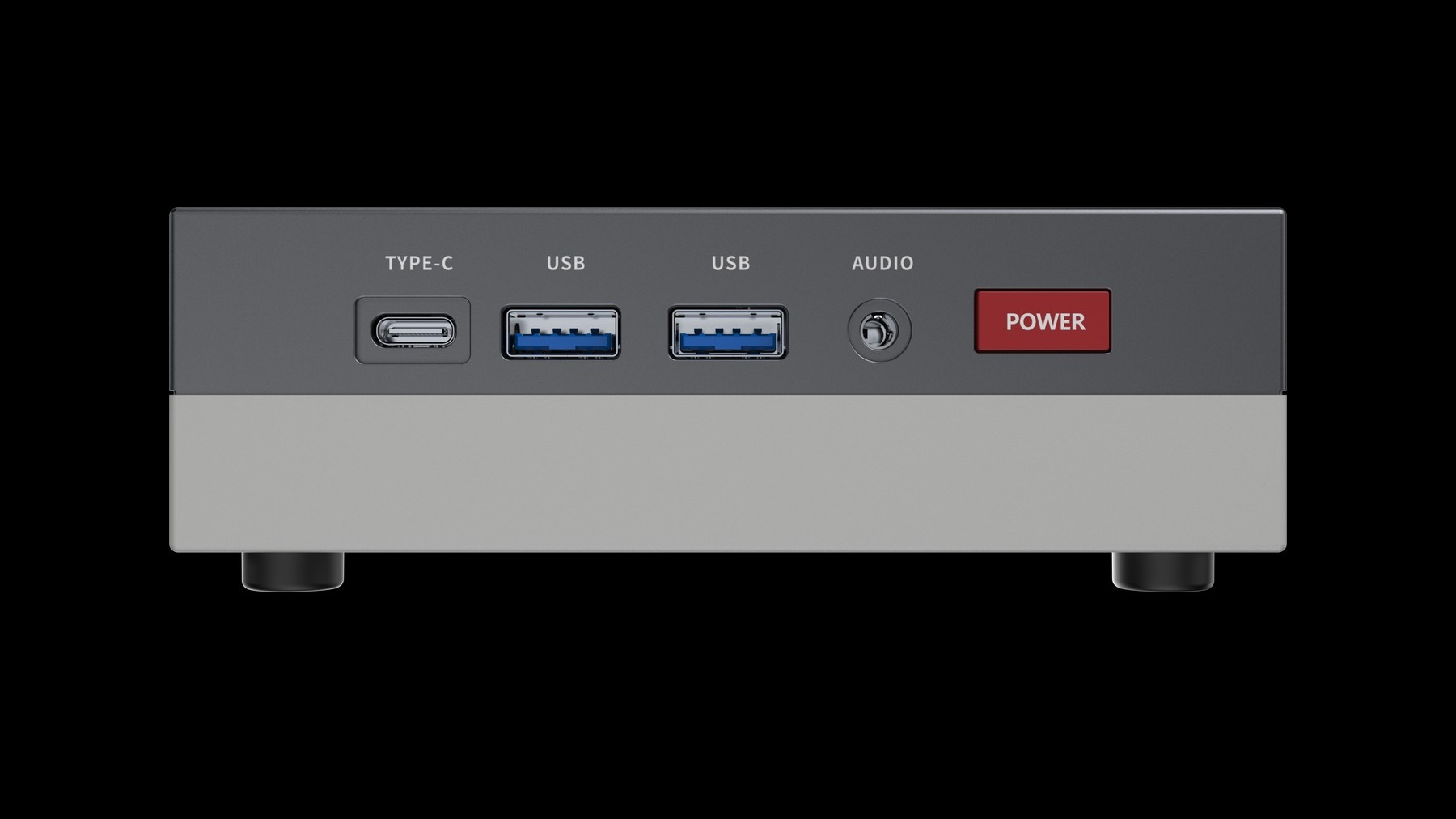
The X3 is the cheaper sibling of the Retro X5, with the same grey case and oversized red power button in a 128.2 × 128.2 × 44 mm footprint. Inside is an eight-core, 16-thread Zen 4 Ryzen 7 H 255 (TechPowerUp calls it a rebranded 8745H) with Radeon 780M graphics, 16 GB of LPDDR5-6400 and two M.2 2280 PCIe 4.0 slots. Up front are a USB4 port and two USB-A ports; the back adds four more USB-A, HDMI, DisplayPort and 2.5 GbE, with Wi-Fi 6E on board. TechPowerUp prices the 512 GB, 16 GB configuration at roughly $549, and $549 to $575 depending on configuration.
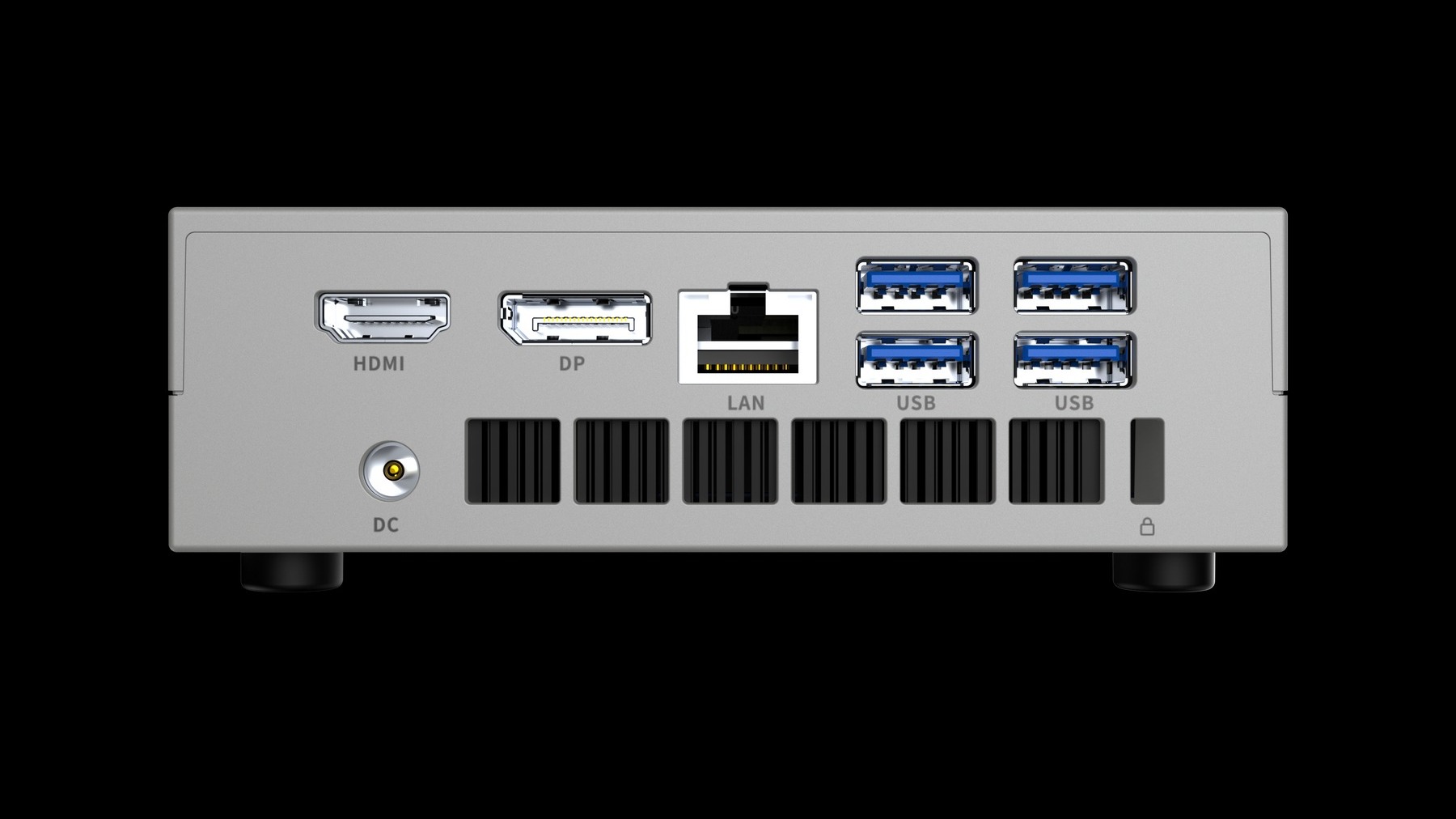
Quiet, quick enough, easy to open
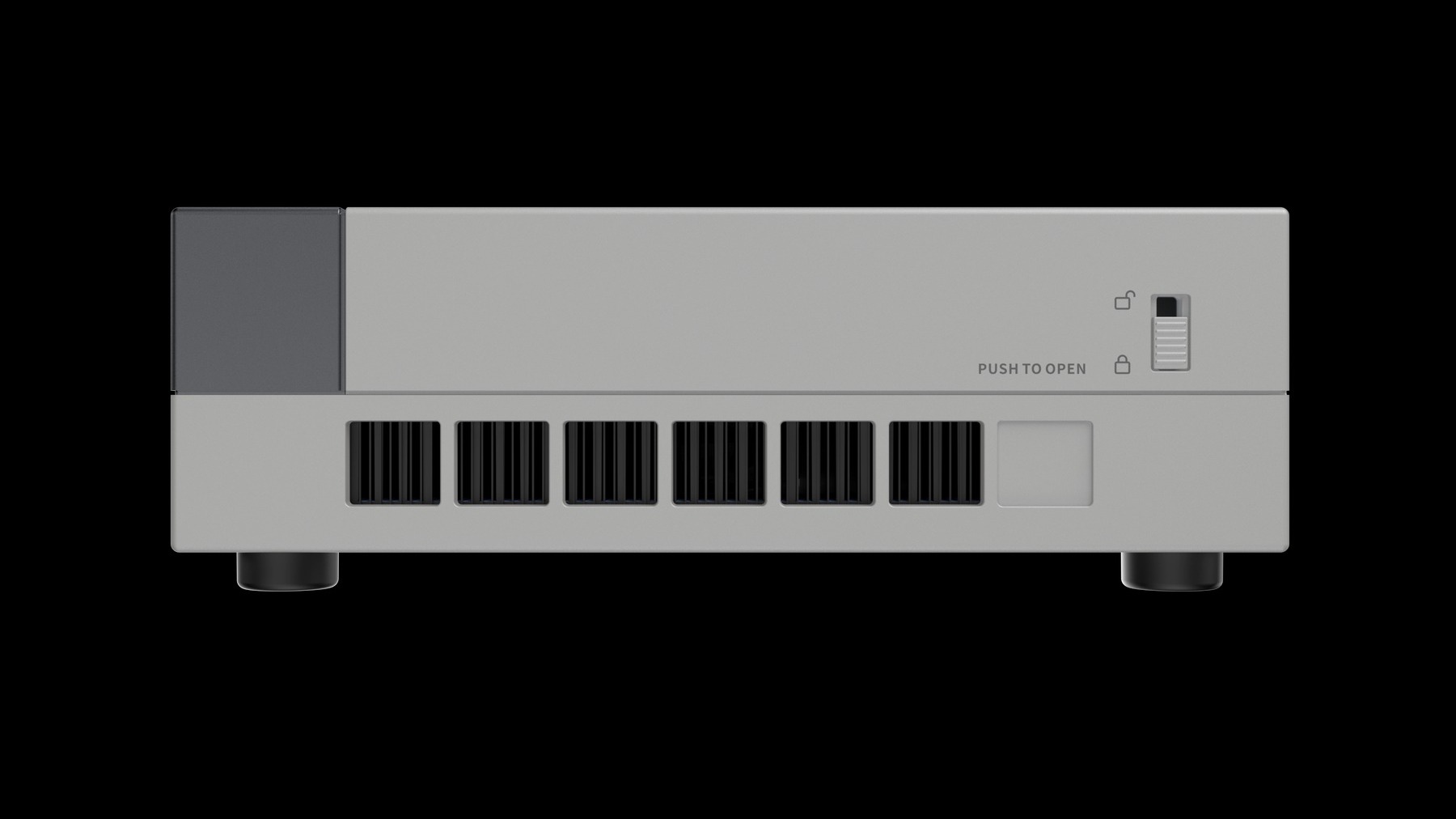
For everyday desktop work the review had no complaints. The eight-core processor handled office applications and general multitasking well, and web browsing, documents and editing product photos are all fair game, though 16 GB would limit heavier Photoshop projects. The SSD in TechPowerUp’s unit was a 1 TB drive, not the 512 GB model that carries the price, and it posted excellent sequential speeds in CrystalDiskMark. The top cover releases easily, so reaching the storage and wireless card doesn’t mean removing rubber feet or disconnecting antenna cables.
It’s polite, too. Fan noise stayed at 39.5 dBA in the heavier noise measurement, and the 24-hour idle result averaged about 7.16 W. If silence is the brief, ZOTAC’s fanless ZBOX nano trio goes further by dropping the fan altogether; the Retro X3 has a fan, but TechPowerUp called its noise a nice surprise.
Fine for esports, not for AAA
The Radeon 780M clears the bar for lighter games. Counter-Strike 2 and Dota 2 both cleared 60 FPS at 1080p High. Cyberpunk 2077 needed upscaling and reduced settings to reach playable averages, Baldur’s Gate 3 ran below 30 FPS at 1080p Medium, and Switch emulation of Tears of the Kingdom struggled. Acemagic’s product page pitches the X3 as built primarily for emulation, so that last result is worth weighing if emulation is your plan.
We’d treat it as an after-work box for esports, older games and emulators. Buyers who put gaming first should look at proper desktops, such as Lenovo’s LOQ Tower, a desktop running laptop silicon, and price the options in our PC Builder.
The soldered 16 GB decides it
“My biggest concern is the soldered 16 GB of RAM, which limits the system’s long-term flexibility,” TechPowerUp writes. Two M.2 slots make storage easy to grow, but extra disk space won’t help once you’ve run out of usable system memory. For an office desktop, media PC or occasional gaming system, 16 GB can still be enough; anyone buying for memory-heavy work down the road should take the limit seriously.
The rivals are more conventional. The GEEKOM AX8 Max has a similar Radeon 780M. ASRock’s NUC BOX-358H offers substantially newer graphics and replaceable memory at a much higher barebone price. The Retro X5 is the pick if you like the case and want more GPU performance and additional RAM. Elsewhere in the small-box world, ASUS’s ProArt GR1X is a palm-sized Spark box with no price yet, which is a different kind of machine altogether.
Where our 80 comes from
TechPowerUp’s conclusion carries no numeric score, and it is the only full review we have, so there is nothing to average. Our 80 is a labelled mapping of its verdict, “an easy system to recommend” if memory isn’t a concern and you’re not expecting high-end gaming, marked down for the soldered RAM, AAA games that need reduced settings and the lack of a dedicated NPU. Treat it as one outlet’s verdict, not a consensus.
Buy if, skip if
- ✅ Buy if you want the retro look on a quiet desk or living-room PC for office work, media and older games.
- ✅ Buy if easy access to two SSD slots matters to you.
- ❌ Skip if you plan to keep it for years and might need more than 16 GB of memory.
- ❌ Skip if modern AAA games at 1080p High are the point.
We’d buy the Retro X3 for the look and the manners, not as a long-term gaming PC. At $549 to $575 it is a tidy package of USB4, 2.5 GbE and a fast SSD, and the only thing we can’t forgive is the one thing you can’t change later. If you can live with 16 GB for the life of the box, it’s an easy one to like.