Palm-sized, powerful, unpriced
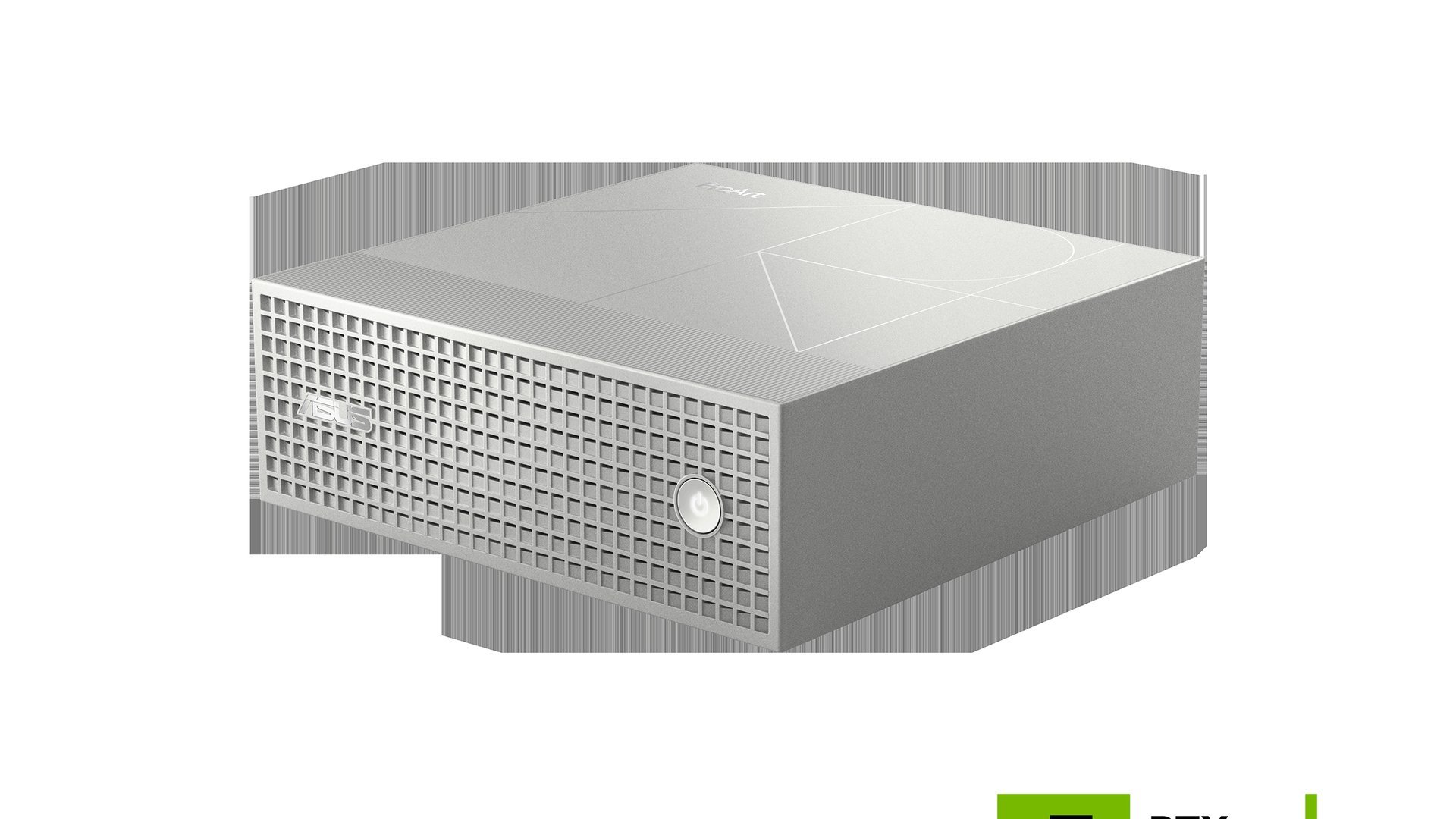
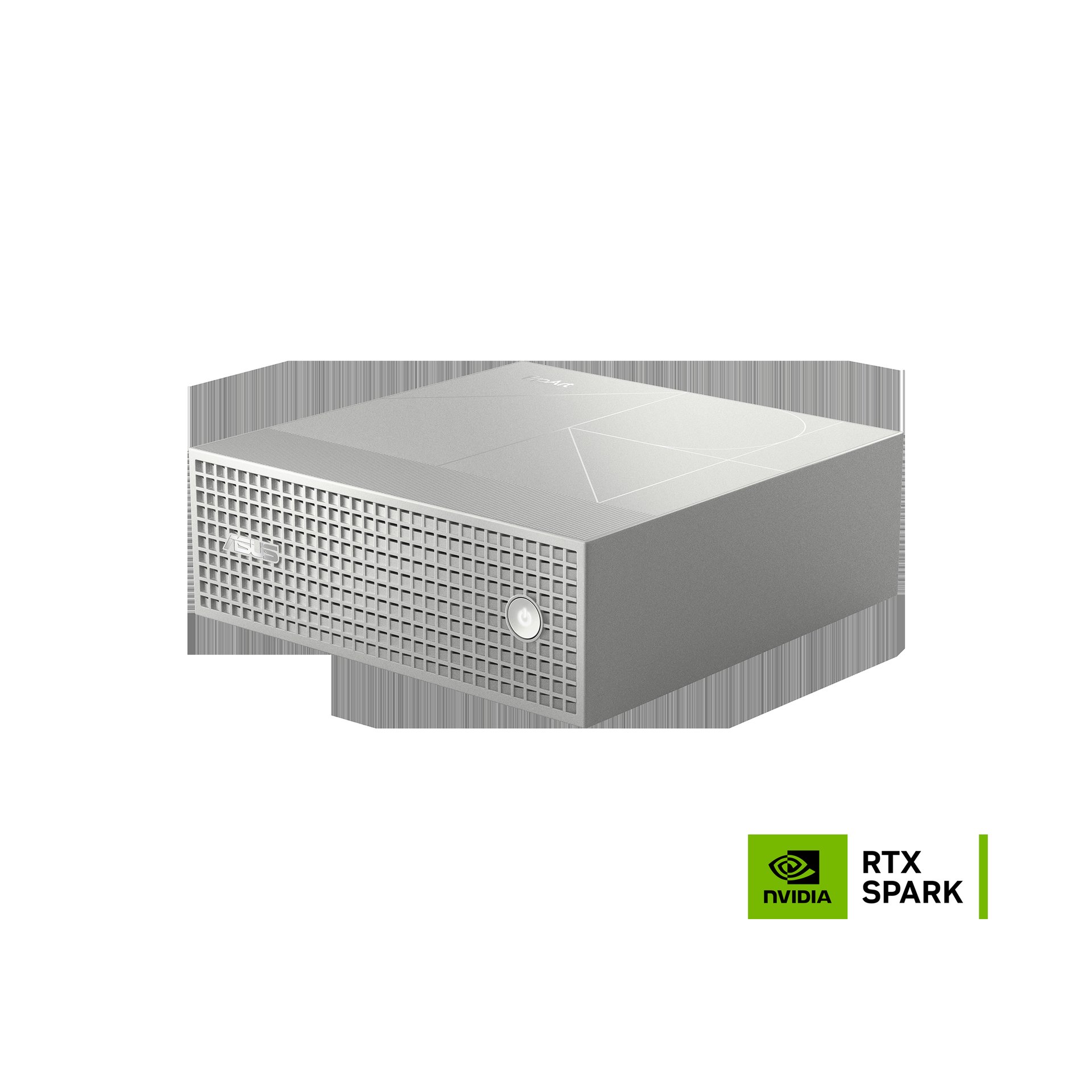
ASUS says its ProArt GR1X squeezes an NVIDIA Blackwell RTX GPU with up to 6,144 cores, a Grace CPU with up to 20 cores and up to 128GB of unified memory into a box measuring 150 × 150 × 51 mm. What none of ASUS’s pages tell you is what it costs.
ASUS first showed the GR1X to invited media at an IFA showroom in Berlin on 2 September 2026. Distributor ASBIS dated its own launch note 2 November 2026, saying ASUS has announced the global launch of its ProArt RTX Spark PCs and that the GR1X is available for pre-order. ASUS’s product page, meanwhile, still carries a “Notify me” sign-up for “the upcoming ASUS ProArt mini PC” and states that ASUS is only entitled to set a recommended resale price, with resellers free to charge what they like. None of the three pages we read lists a figure.
The spec sheet, in ASUS’s words
| Chip | NVIDIA RTX Spark Superchip: Blackwell RTX GPU (up to 6,144 cores) plus Grace CPU (up to 20 cores), linked by NVLink-C2C |
| Memory | Up to 128GB unified memory |
| On-device throughput | Up to 1 petaflop of FP4 performance |
| Size | 150 × 150 × 51 mm, about 1.1 litres |
| Networking | 10GbE, Wi-Fi 7, Bluetooth 5.4 |
| Displays | Up to four 4K displays via HDMI 2.1 and three USB-C (DP Alt Mode) ports |
| Storage | Dual M.2 SSD slots (ASBIS) |
| Power | 140W TDP; dual-fan cooling |
| Finish | Black or Silver |
The detail we find most interesting isn’t a number. ASUS’s own FAQ says the GR1X is built for creators to run local agent workflows natively in everyday Windows workflows, and contrasts it with the ASUS Ascent GX10, which it describes as a Linux-based developer workstation running DGX OS. A Spark-class machine that boots into Windows is a different proposition from the developer boxes we’ve seen so far, and we think that’s where ASUS is aiming it.
ASUS also claims the platform can run 120B-parameter LLMs with up to 1 million tokens of context and render 3D scenes up to 90GB. Its product page lists “1440p 100+ FPS” under AAA gaming, with no game or settings attached. Treat all of that as manufacturer marketing until someone independent tests it; ASUS labels the petaflop figure as FP4, so it describes one kind of accelerated workload, not general speed.
Buy for the memory, not for games
Our view: if you build or run local models and want a quiet always-on box on the desk, the memory pool and 10GbE are the reasons to watch this one. If you want a gaming PC, we’d look elsewhere until there are real frame-rate numbers. Nvidia’s consumer pricing is a reminder of how far list prices and shelf prices can drift, as we noted in our piece on Nvidia’s RTX 5090 supply and price problem, so an ASUS recommended price won’t settle the question by itself.
Conventional desktops aren’t standing still either; see Intel’s Nova Lake desktop pitch for the other side of the argument. We haven’t handled a GR1X, and ASUS notes that specifications are subject to change and that products may not be available in all markets. Nothing we read names a South African price or date, so the number to wait for is ASUS’s regional price guidance, then the first independent reviews.
Sources checked 2 November 2026: ASUS’s press release of 2 September 2026, the ASUS ProArt GR1X product page and ASBIS’s launch note of 2 November 2026.