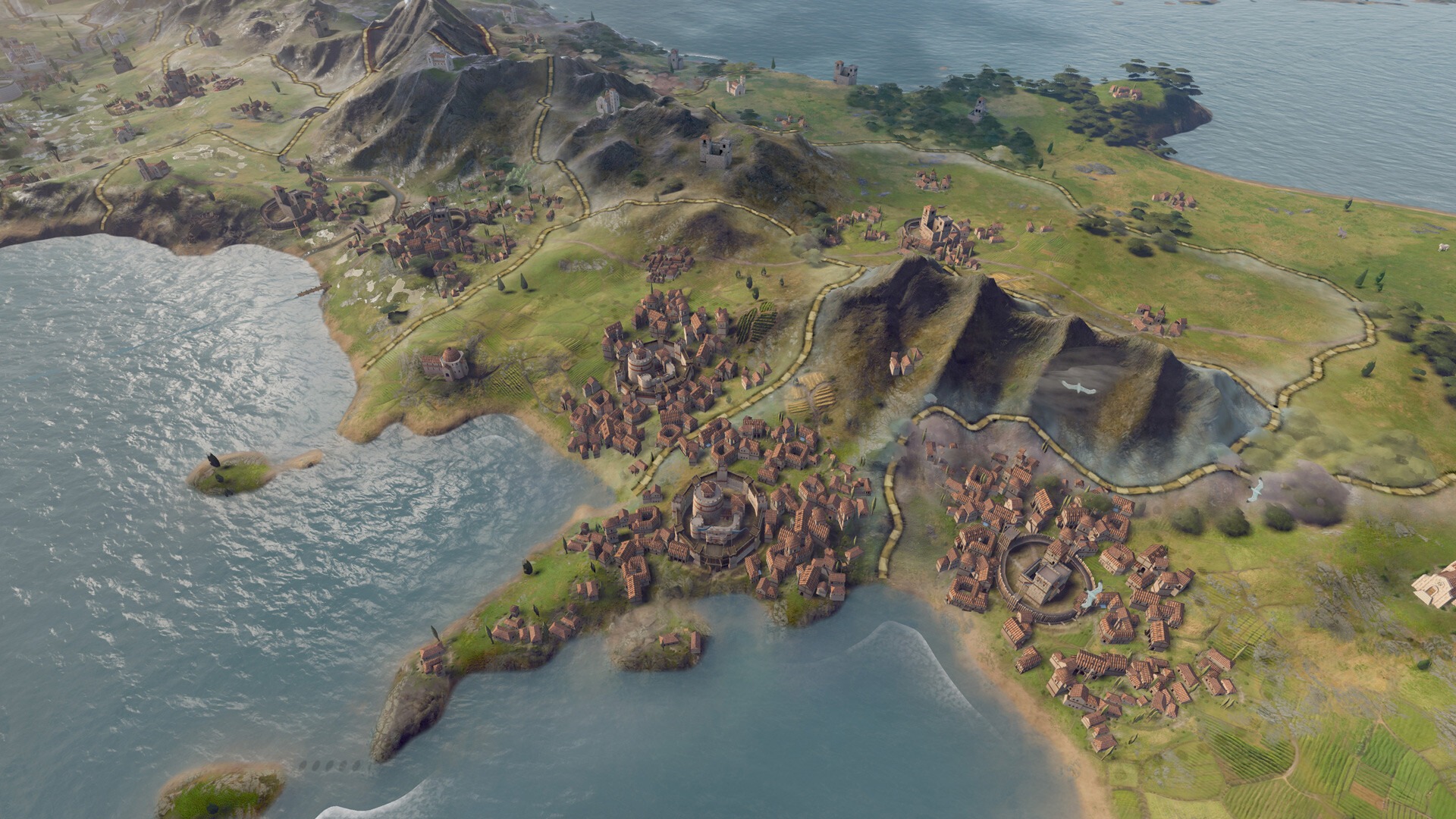
Trade over conquest
Crusader Kings 3 Silk and Silver asks you to stop conquering and start haggling. The Major Expansion from Paradox Development Studio and Paradox Interactive releases today, 17 November 2026, on Steam, and it hands you a merchant company or a patrician family instead of a levy. It needs the base game, and Steam’s page doesn’t list a US dollar price for the expansion, so there’s no figure to quote here.
Merchants start with nothing
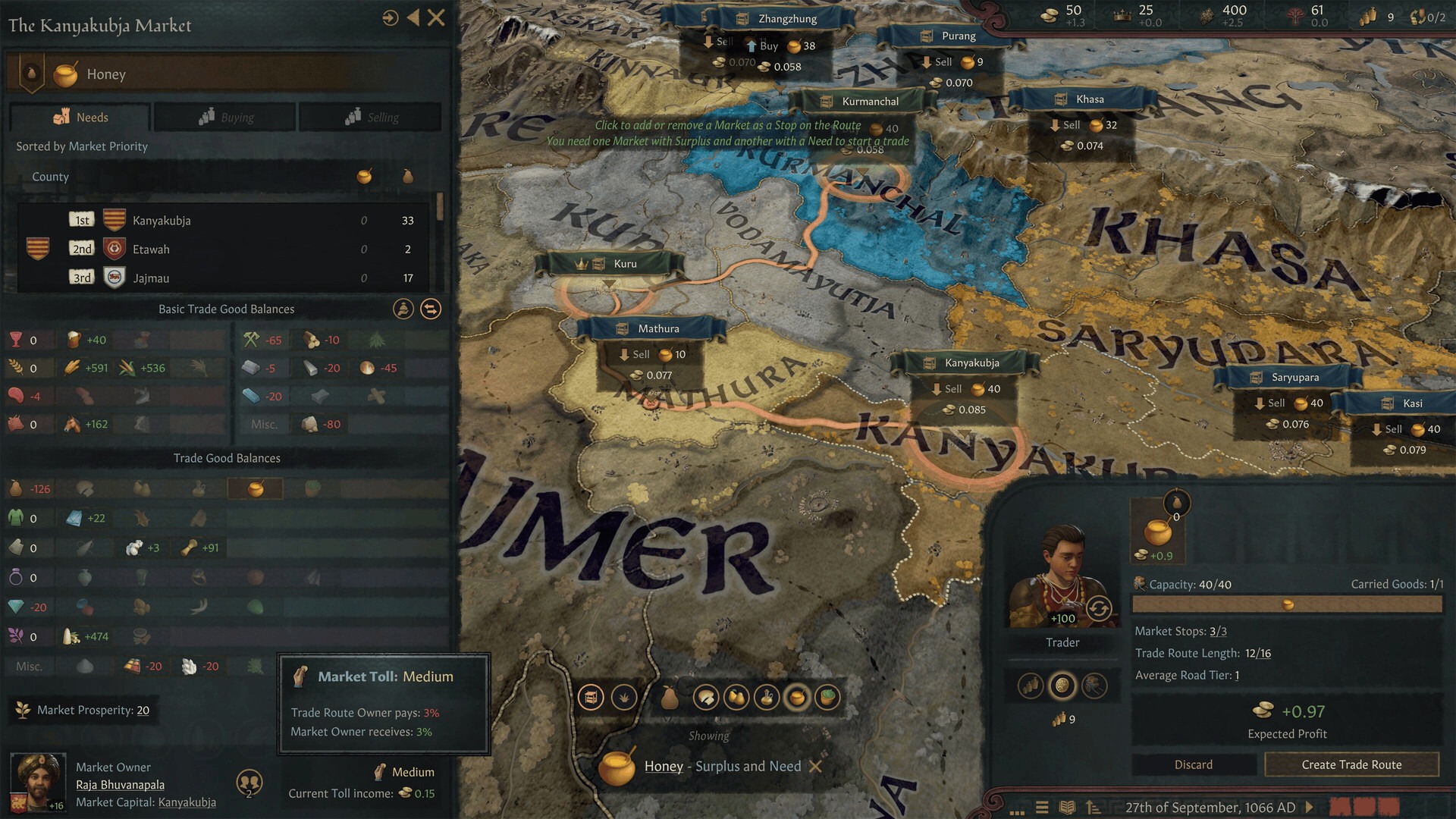
The first of two new government types is Merchant. You lead a landless merchant family at the head of a trading company, hunting Trade Routes across over 40 trade goods and slowly widening your reach as the company grows in renown and wealth.
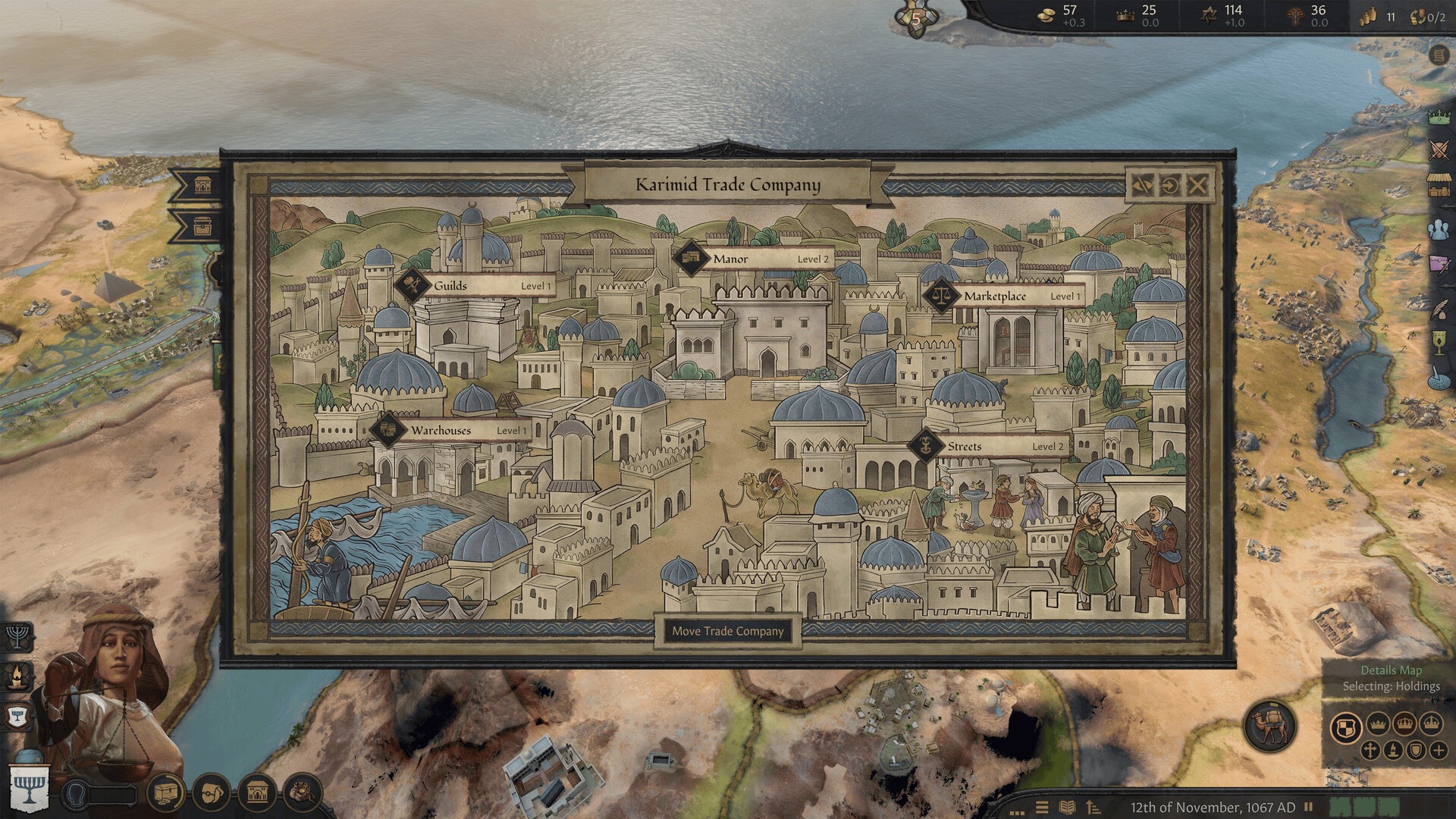
You choose one of three specializations: Caravaneer, who moves considerable amounts of goods, Creditor, who loans money to rulers, or Artisan, who creates new artifacts. Gaining experience in traded goods unlocks bonuses. You can also lobby nobles and royalty for patrons, win exclusive rights to trade select goods in Markets, push out rivals with a complete Monopoly, and spend gold and prestige to expand your Mansion.
Republics reward the patient
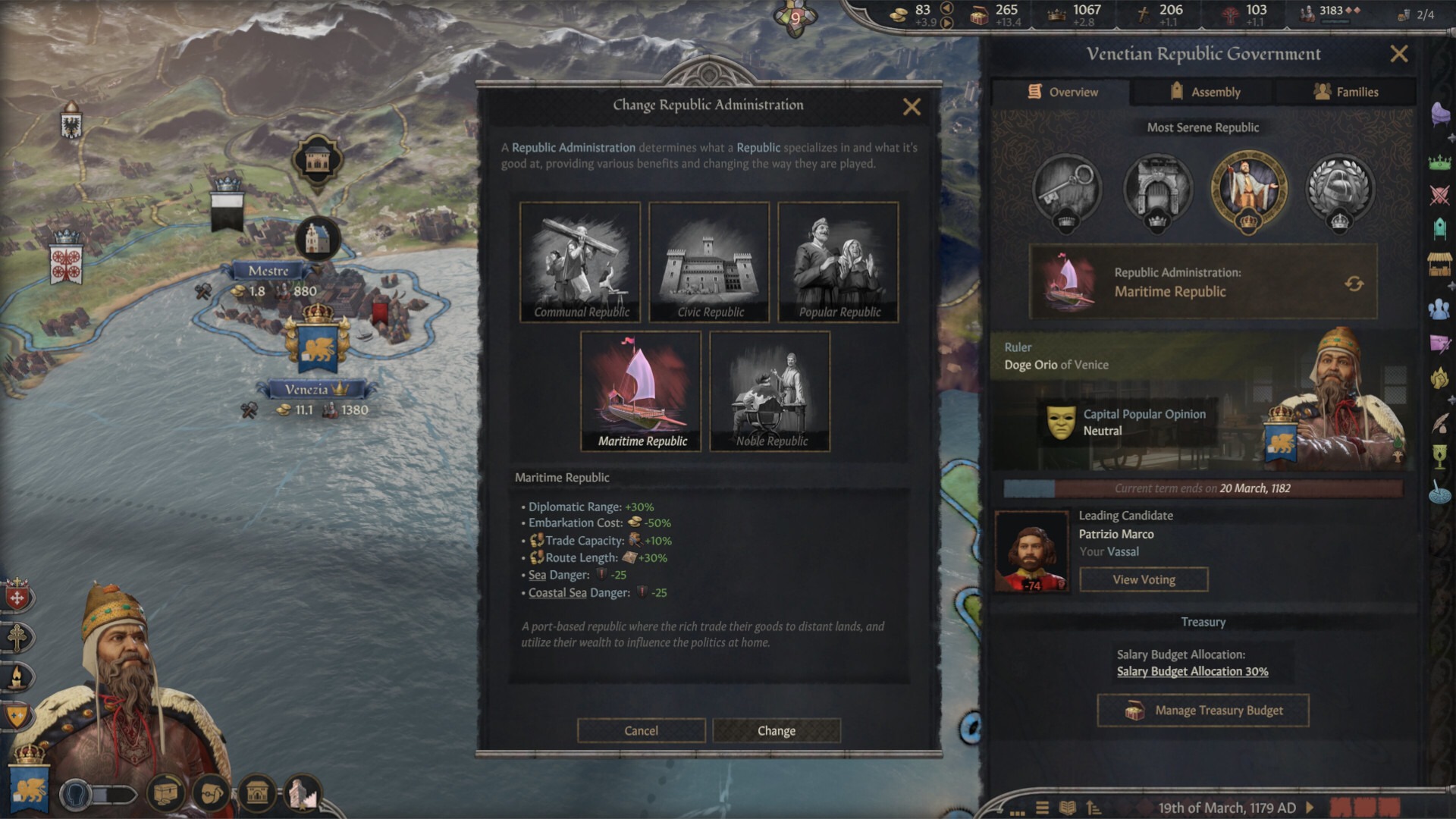
The second government type is Republic, where you rule a patrician family, wealth buys power and popularity determines who keeps the role of doge. You set the constitution through Laws and Assemblies, put Trade Posts in foreign counties, and can join other Republics in Trade Leagues that bring commercial and military benefits.
Two new bookmarks frame the action: 1066 – Channels of Commerce, and 1178 – Guelphs & Ghibellines, a defining conflict for Northern Italy between papal and imperial ambitions. Civic carnivals and the historical clash between the two factions round out the Italian flavour. Paradox is busy elsewhere too: on 8 November we looked at Victoria 3’s State and Revolution Russia pack, and on 14 November at the company’s CEO handover.
A Doge, four routes, some nagging
Rock Paper Shotgun’s Mark Warren played as Venetian patrician Marco Sanudo and as Speronella Dalesmanni, and had four trade routes running at once carrying goods like wine, iron and textiles. Sticking with a type of good such as alcohol or jewellery makes you better at selling it, he found, and routes left running between the same markets gain boons over time.
The catch is the noise. Warren describes a near-constant stream of notifications about prices that nudges you to prune and rework routes, though he found that degree of micromanagement unnecessary if you only want a decent profit margin. He expects some players will find the constant barrage of trade route notifications annoying, and that the many ways to make money could make playthroughs less challenging than they could be.
The headline scenario is the weak spot in his account. Aside from Guelphs and Ghibellines being another way to win friends or enemies, he said it hadn’t had a hugely obvious bearing on his playthroughs, and he saw the conflict fading into the background. His verdict was warm anyway: “another enjoyably sonorous string to Crusader Kings 3’s bow.” Playing a merchant, he wrote, gives more reason to invest in stewardship skills, while diplomacy and martial skills are less key but still have their place.
Buy it for the ledger
We think that makes the audience clear. If you play Crusader Kings for the money game, and have wanted a proper merchant-republic route to power, this looks like the expansion built for you: trade routes, patrons, monopolies and a doge’s chair to scheme for. If you play it for war, we’d skip it, because Warren found martial skills take a back seat and the Guelph and Ghibelline fighting didn’t make itself felt in his games.
The open question is how much those trade notifications grate once a few hundred hours of merchant empires pile up. Warren’s answer was a shrug and a profit margin, and we suspect plenty of players will want a way to quieten them.