Same chip, higher price
The ROG Xbox Ally X20 has the same chip, the same 24GB of memory, the same 1TB SSD and the same 80Wh battery as last year’s Ally X. It costs $300 more. Critics still like it, and they’re unanimous about why: the screen.
Our consensus score of 83 is the mean of the three scored reviews, with PC Gamer’s 80/100, Stuff’s 4/5 and Gizmodo’s 4.5/5 converted to a 100-point scale. Digital Foundry’s review is unscored, so it’s quoted but not counted.
| Outlet | Score | Takeaway |
|---|---|---|
| PC Gamer | 80/100 | Best ROG Ally, not the best value |
| Stuff | 4/5 | Stunning OLED, painful pricing |
| Gizmodo | 4.5/5 | The most comfortable handheld you can buy |
| Digital Foundry | Unscored | “The price premium is extraordinary” |
The OLED is the whole upgrade, and critics say it’s a big one
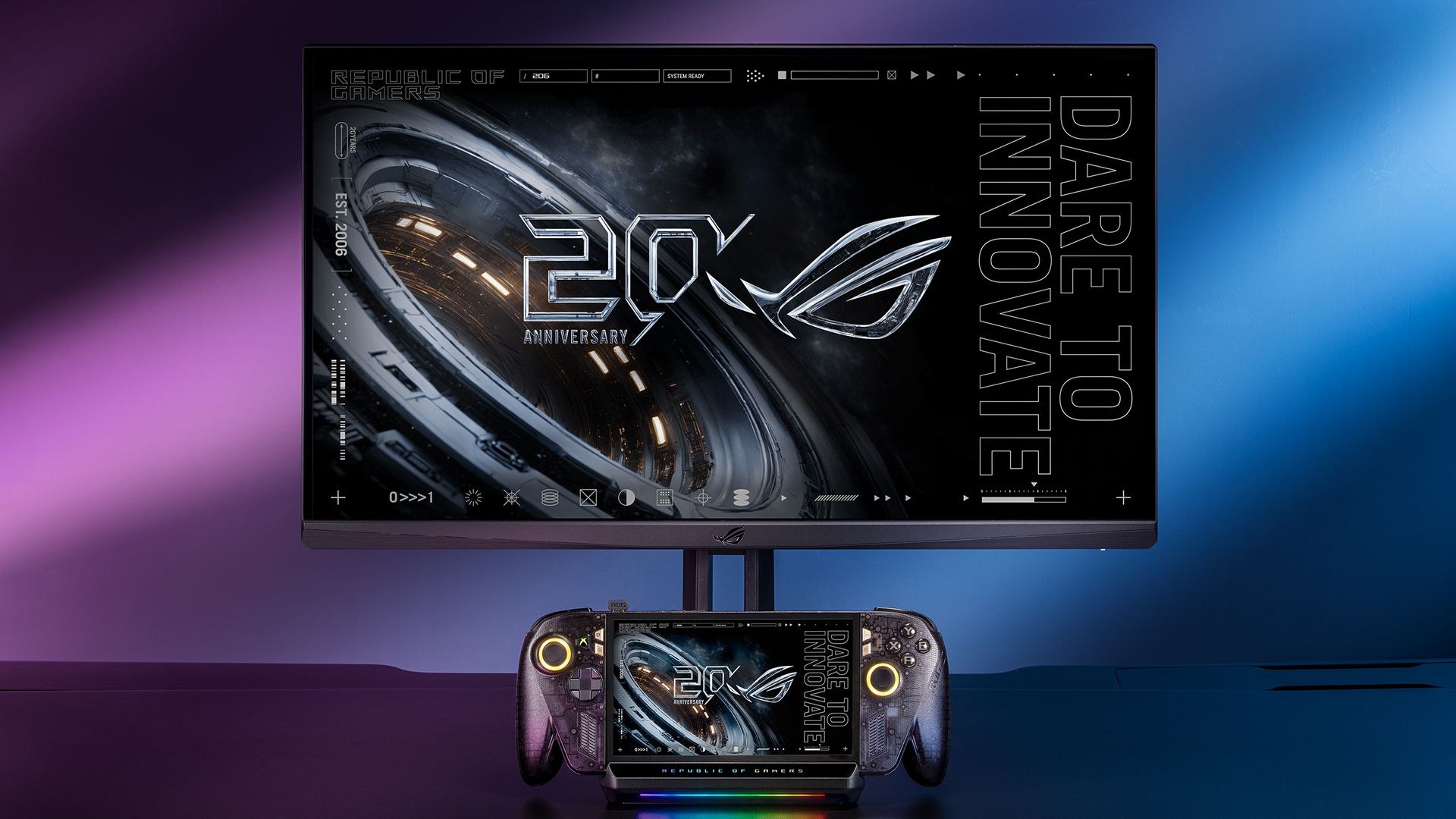
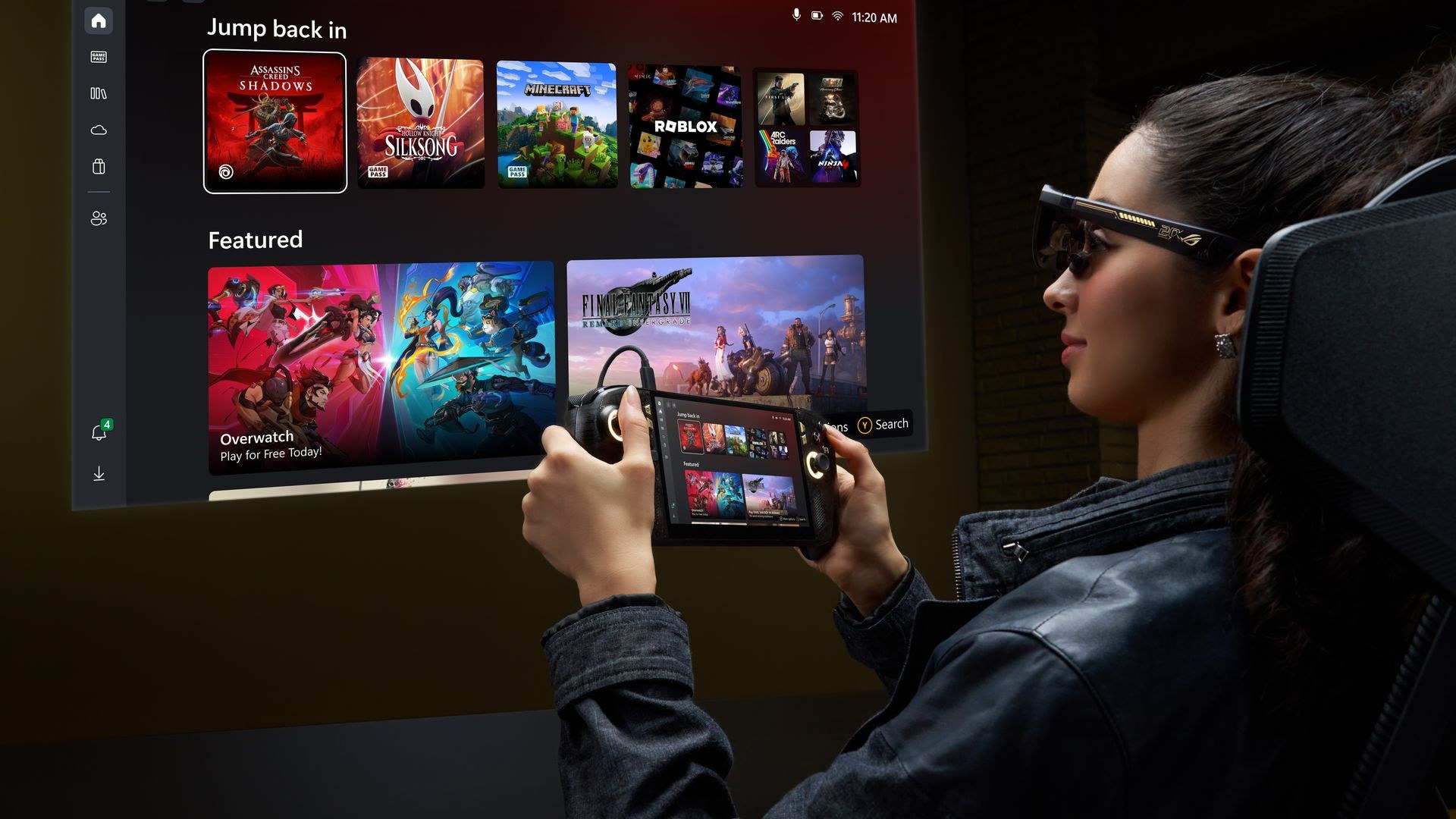
Asus says the X20 launched on October 15 at $1,299, or $2,499 in a bundle with ROG XREAL R1 AR glasses, a dbrand case and a Pelican case. The Ally and Ally X stay on sale at $599 and $999. The new 7.4-inch panel is 1080p and 120Hz, with a variable refresh range of 30Hz to 120Hz and up to 1,400 nits of HDR brightness. Asus also added TMR sticks, a D-pad that switches between four-way and eight-way input, and a redesigned cooler it says moves 20% more air.
Richard Leadbetter’s Digital Foundry review calls the screen “genuinely game-changing in much the same way that Switch OLED comprehensively bested its LCD stablemates.” Tom Morgan-Freelander’s 4/5 review for Stuff says the upgrade is “transformational,” and James Bentley at PC Gamer says the DisplayHDR True Black 1400 rating “isn’t just for show.” Gizmodo’s Kyle Barr was the lone note of caution: the panel can wash out in direct sunlight and is occasionally reflective.
No faster than the Ally X, and slower than the Intel handhelds
Nobody found a performance gain. PC Gamer’s list of cons puts it plainly: “No performance uplift on the Xbox Ally X.” In PC Gamer’s game testing, the Intel-based MSI Claw 8 EX AI+ was 20-40% faster, though it costs just under 40% more in the US. Barr, in his 4.5/5 Gizmodo review, measured the $1,800 Claw at an average of 30 to 40% better frame rates, close to 40% ahead in Forza Horizon 6 and Cyberpunk 2077.
Battery life is the one place the shared hardware does better. With the same 80Wh pack, Stuff averaged 125 minutes of Cyberpunk 2077 at 50% brightness with stick LEDs off and flight mode on, against an hour and a half on the LCD Ally X. PC Gamer found the X20 at its best between 15W and 20W, where its fans are “wonderfully tuned” and it lasted half a day in Balatro.
One practical warning: PC Gamer says there’s no charger in the box, and Bentley initially benchmarked in the 35W mode without getting full power because his charger wasn’t fast enough. Stuff refers to a bundled 65W brick but says one wasn’t sent with its review unit, so check the retailer’s box contents before you order, and budget for a fast USB-C charger if it isn’t listed.
Windows still gets in the way of the Xbox part
Software has improved since launch, but not enough to make this feel like a console. Leadbetter describes an “incredibly lengthy” first update, manual Armoury Crate and BIOS updates, and a handheld that shut itself off while downloading games, with no way to stop it from the Xbox shell. His conclusion is that “we’re still little closer to anything that feels like a curated console experience.”
There’s real progress too. He says Advanced Shader Delivery is now “an established staple that ‘just works’,” cutting shader compilation stutter, which is the feature explained in our Advanced Shader Delivery guide. Bentley found swapping between Xbox and Windows modes smooth, though it “still doesn’t feel like a console in practice.”
Buy it or skip it
- ✅ Buy if you want the best screen on a Windows handheld. Every reviewer here singles it out.
- ✅ Buy if comfort and quiet matter for long sessions. Gizmodo and Stuff both call it the comfiest handheld around, despite its 756g weight.
- ✅ Buy if stick drift has burned you before. TMR sensors are standard.
- ❌ Skip if you already own an Ally X. It’s the same speed, and PC Gamer calls $300 extra “pretty steep” if you aren’t dying to play on OLED.
- ❌ Skip if raw performance is the priority. The Intel Claw is 20-40% faster for more money.
Our take
We think the 83 is about right for the hardware, and too generous for the value. It’s $1,299.99 at Best Buy today, the same as Asus’ list price, so there’s no discount cushion. What you’re buying is a better screen, better sticks, a quieter cooler and a little more battery life, wrapped around a chip that’s no longer the fastest you can buy. When Asus first priced the X20, we said the OLED and new cooling would have to earn that gap on their own merits. The reviews say the screen does. Nothing else in the box does.
If you’re buying your first premium handheld and you’ll play mostly on the go, the OLED is worth paying for. If you mostly play docked, or you’re on an Ally X already, keep your money and wait for the next chip. We called the X20 a standout of Gamescom’s hardware lineup, and it’s still a lovely object, but it’s an expensive way to get the same frame rates.
Price checked at Best Buy, Oct 17.