A 78 with a 33% asterisk
The Theos: Cities of Myth reviews read like a pile of solid 7s and 8s, so the OpenCritic number that jumps out is the other one. The Greek-mythology city builder from Triskell Interactive and Dotemu, released on PC on 4 November 2026, holds a Top Critic Average of 78, yet just 33% of critics recommend it.
That 78 is OpenCritic’s Top Critic Average. The 33% is a separate figure, Critics Recommend, and the page doesn’t say which of its 9 critic reviews it counts. Eight of the nine scores sit at 7 or higher: ZTGD gave a 9, three outlets gave an 8, three gave a 7.5 and GameBlast a 7. The outlier is Gamer Social Club’s 6/10. The four reviews carrying OpenCritic’s Top Critic badge (ZTGD 9, Gamer Social Club 6, Uagna 8, Analog Stick Gaming 8) average 7.75, which squares with the 78.
So why the gap? OpenCritic doesn’t spell it out, so this is our read. Several of the 7s and 7.5s are written as yes-but reviews. GameBlast calls it “a delightful throwback for fans of classic management games” and in the same breath says it “lacks modern quality-of-life features.” A critic can score that comfortably above average and still hesitate to tick the recommend box. It also fits a game that Steam pitches as “a modern take on classic city-builders” while some critics find the modern part thin.
Caesar III and Zeus, rebuilt
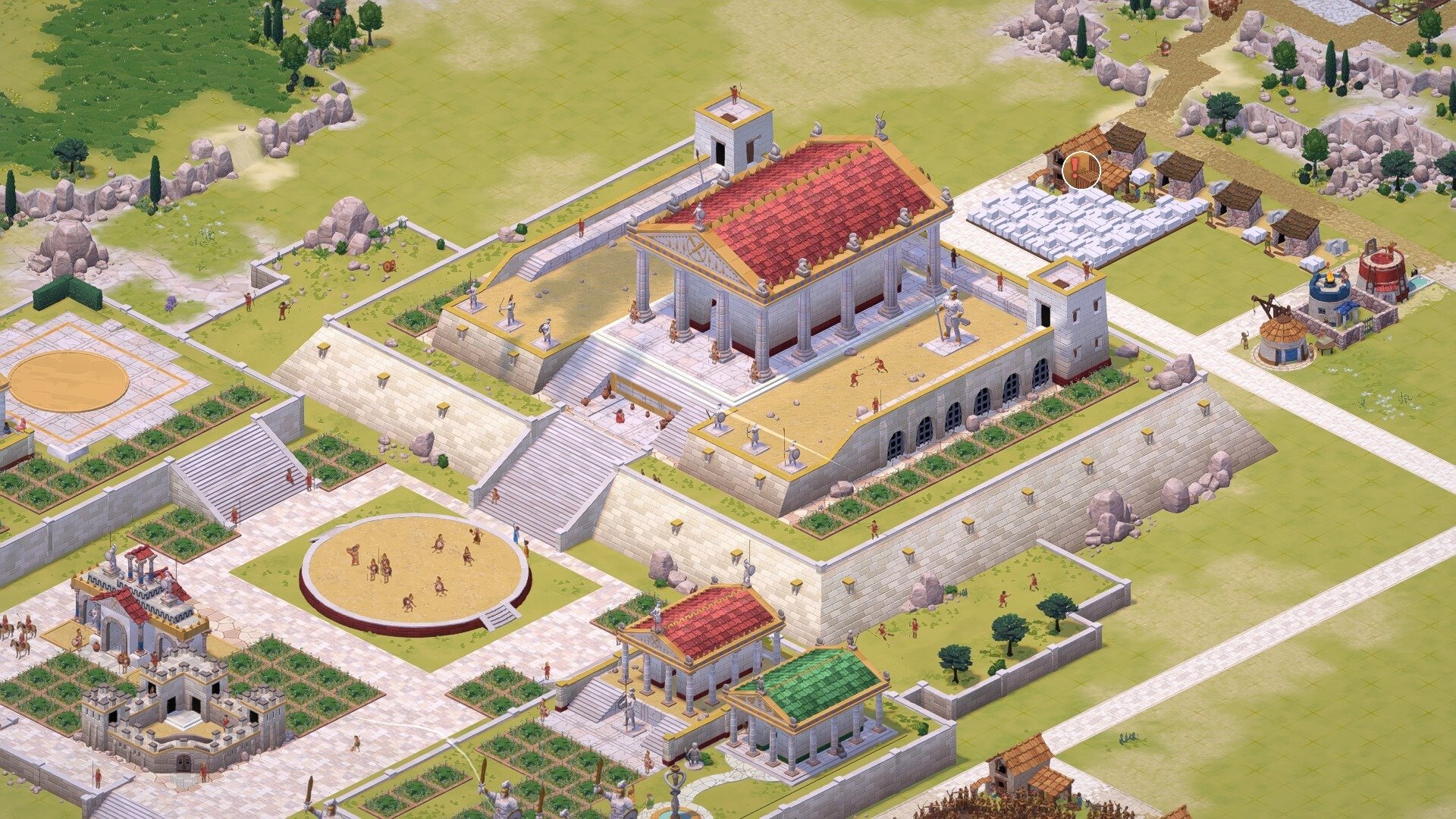
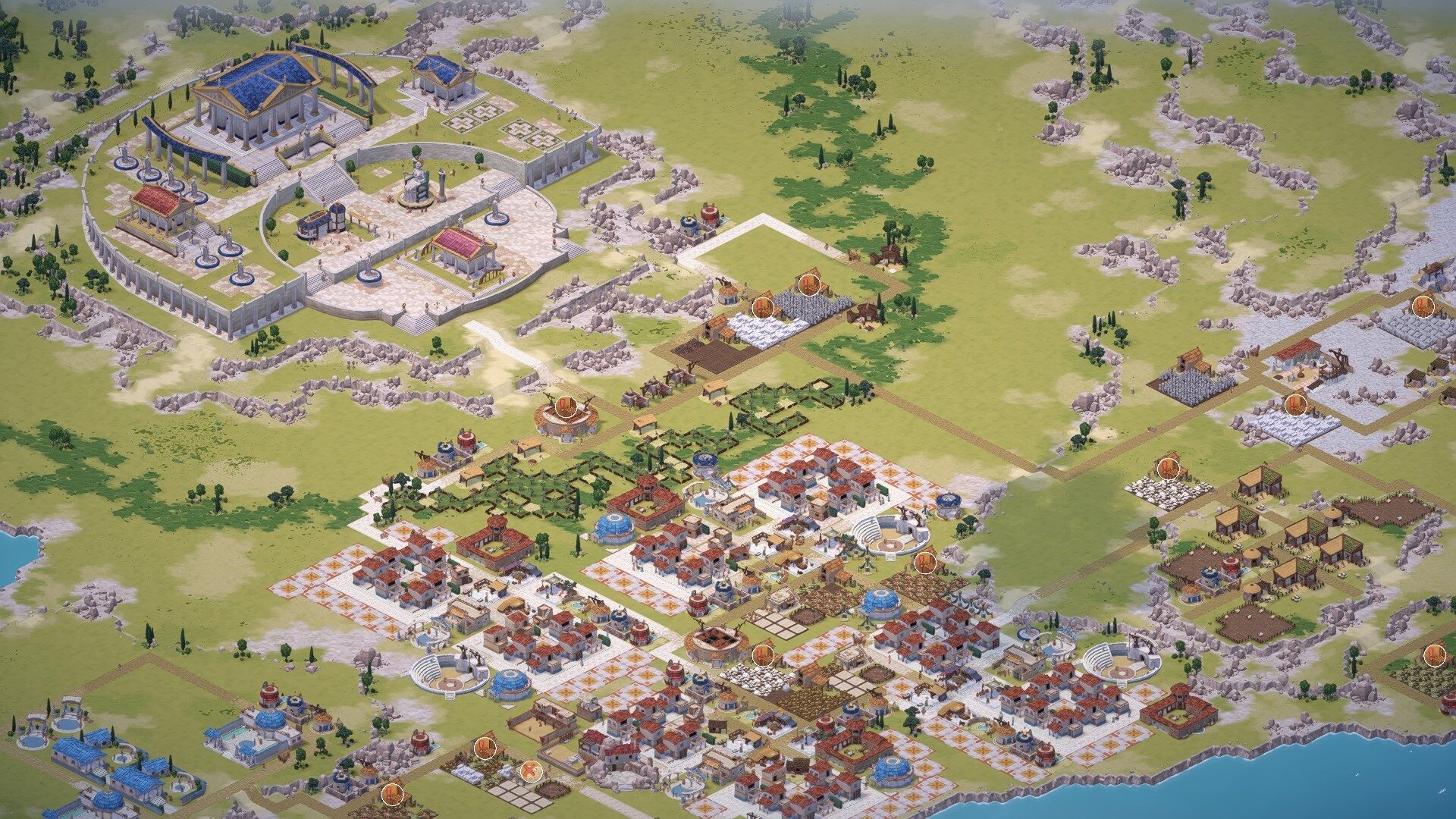
The throwback is the point. In OpenCritic’s English rendering of Uagna’s Italian review, it is “a successful tribute to the great city-building games that defined an era,” capturing the essential features of Caesar III and Zeus: Master of Olympus “without merely passively replicating their formula.” The same review adds that it “isn’t a revolution in the genre, but a particularly welcome return.” EntreMandos, in a Spanish review, calls it “something of a spiritual successor to Lord of Olympus: Zeus” and likes how the building paths give more control over the city.
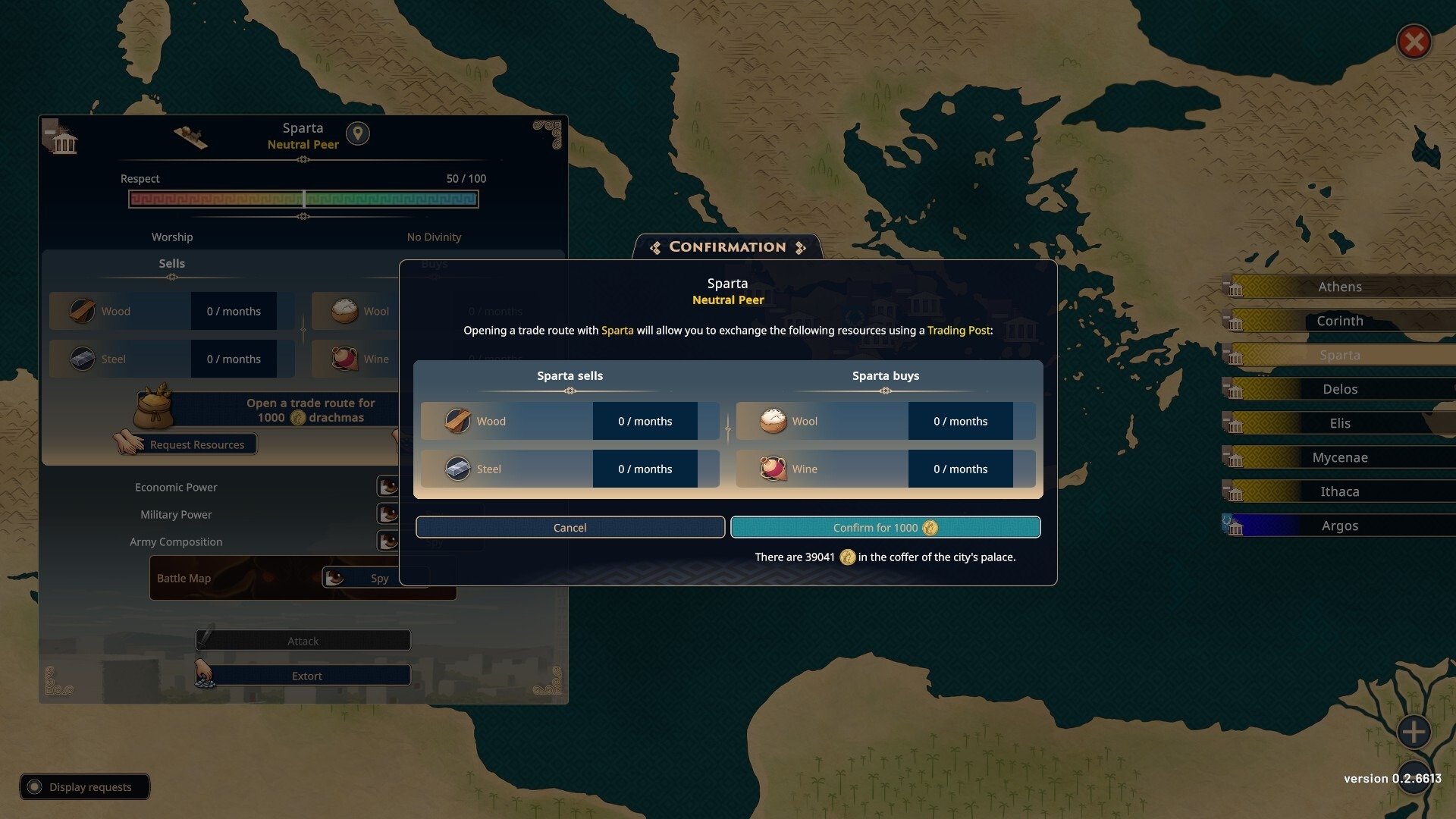
The Steam page describes a game in which you found a Polis under one of 7 Greek deities, feed and protect citizens with road networks, markets, philosophy schools and theatres, then build colonies and trade with other city-states. Rivals grow on their own, and you can ally, trade, compete or go to war. It comes from the team behind Pharaoh: A New Era, and if you want another ancient-world builder to compare, our look at Anno 117’s Egypt expansion sits at a very different point on the genre’s map.
Welcoming, or hands-off?
Critics split on how friendly it is. Analog Stick Gaming (8/10) calls it “an easy to pick up and play city builder” and would recommend it “to anyone looking to get into the genre.” GamesHedge (7.5) cites “straightforward management systems and detailed tutorials” as making it accessible to newcomers.
Gamer Social Club, the 6/10, says the opposite: “This doesn’t really hold your hand very well, which may have been the intention.” The reviewer argues that it gatekeeps people returning to the genre or new to it, and “does keep this very niche.” That is the sharpest disagreement in the set, and we suspect it matters more to the recommend percentage than any single complaint about combat.
Patrons, patrols and thin combat
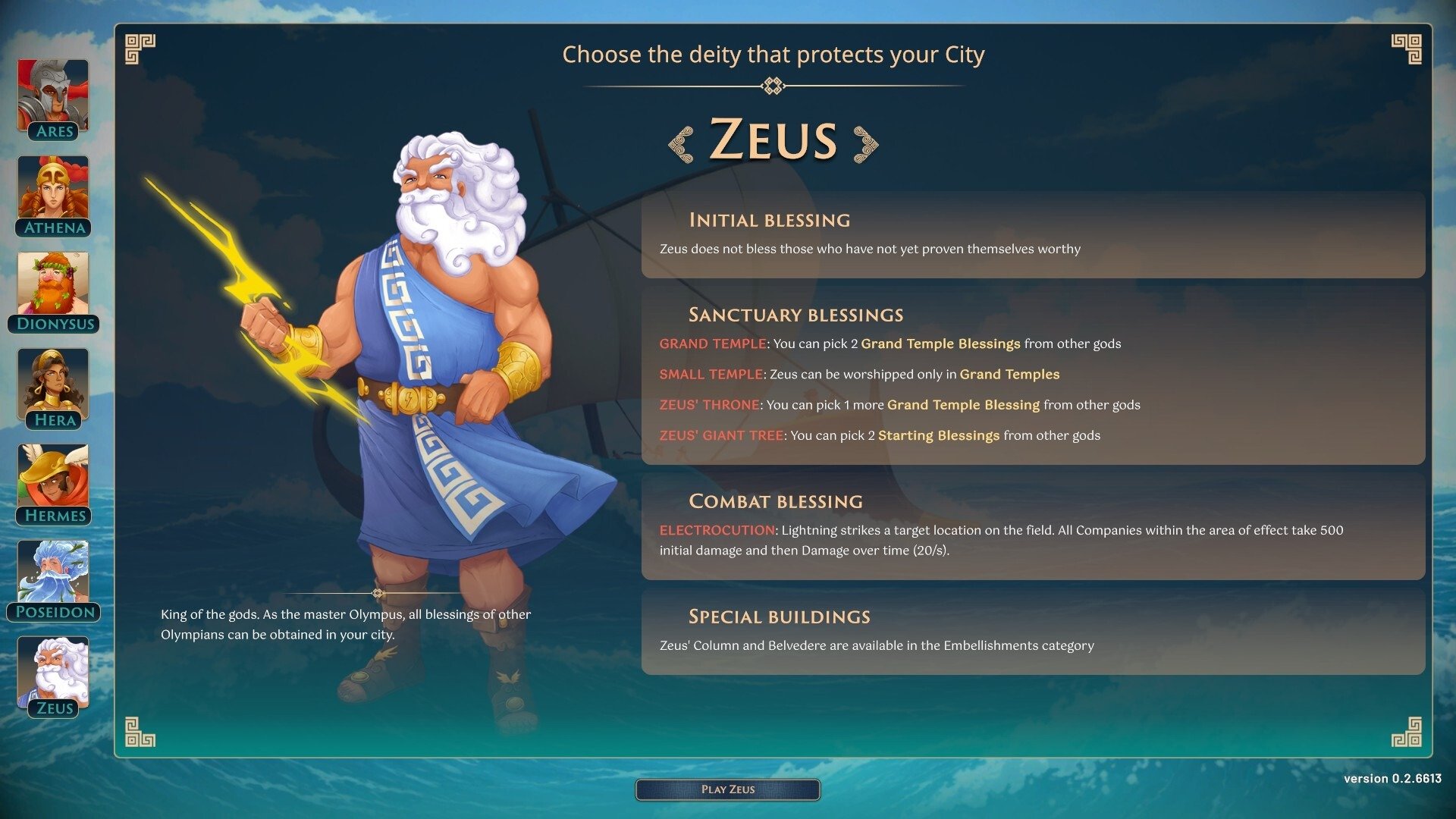
The gods are the hook. Steam lists Zeus, Athena, Hermes, Ares, Poseidon, Hera and Dionysus as patron choices, each shaping how the city develops. SavePoint Gaming (7.5) says the game “brings personality and purpose to familiar city-building foundations, pairing divine patrons with appealing settlements,” but that “repetitive patrol management and limited combat temper the satisfaction.” GameBlast also blames “manual patrol micro-management and cluttered menus.”
GamesHedge lists limited city-building mechanics, a restrictive Sandbox mode, grindy Adventure objectives and disappointing sound design, and calls combat a weak point, though choosing a peaceful god lets you largely avoid it. GameBlast, by contrast, praises a “versatile sandbox mode.” Even the fans don’t fully agree on the details.
Who should build, who should wait
- ✅ Buy if you missed Caesar III and Zeus and want a gentle, charming way into classic city building (Analog Stick Gaming, GamesHedge, Uagna).
- ✅ Buy if you love the old formula and want a respectful tribute with its own mythological identity (Uagna, EntreMandos).
- ❌ Skip for now if modern quality-of-life matters to you: GameBlast cites manual patrol micro-management and cluttered menus.
- ❌ Skip for now if you want deep combat or a rich sandbox (SavePoint Gaming, GamesHedge).
Our take: we’d call this a cosy first-pick for people who missed the classics, and a wait-and-see for veterans. The 33% recommend figure looks harsher than the scores underneath it, and it’s the same kind of gap we dug into with Queen’s Domain and its 91: the headline number rarely tells you who a game is for. Steam’s user reviews currently read Mixed, from 76 reviews, which keeps us cautious. GameBlast says that “with further polish, it has great potential.” If menus and patrol chores are your red line, let the patches land first; if a Greek polis and a bit of nostalgia sound like a good weekend, the reviews say you’ll likely be happy.