A $99.99 game going dark
A basketball game that cost $99.99 two years ago leaves digital stores in less than two weeks, and most of what made it a live game switches off on New Year’s Eve. Rep. Ritchie Torres thinks buyers deserve better, and he wants the FTC to write the rules.
The New York Democrat announced the Power To The Players Act on October 15, saying he will introduce a bill directing the Federal Trade Commission to write rules that protect players’ ability to own and play the games they buy. Buying a game would give you ownership rather than a license, games with online features would have to provide an offline mode before their servers shut down, and players would keep the ability to resell or transfer what they bought.
A game that can be taken away the moment a company pulls the plug is not a purchase. It is a rental disguised as a sale.
Rep. Ritchie Torres
2K’s own shutdown notice is kinder than the press release
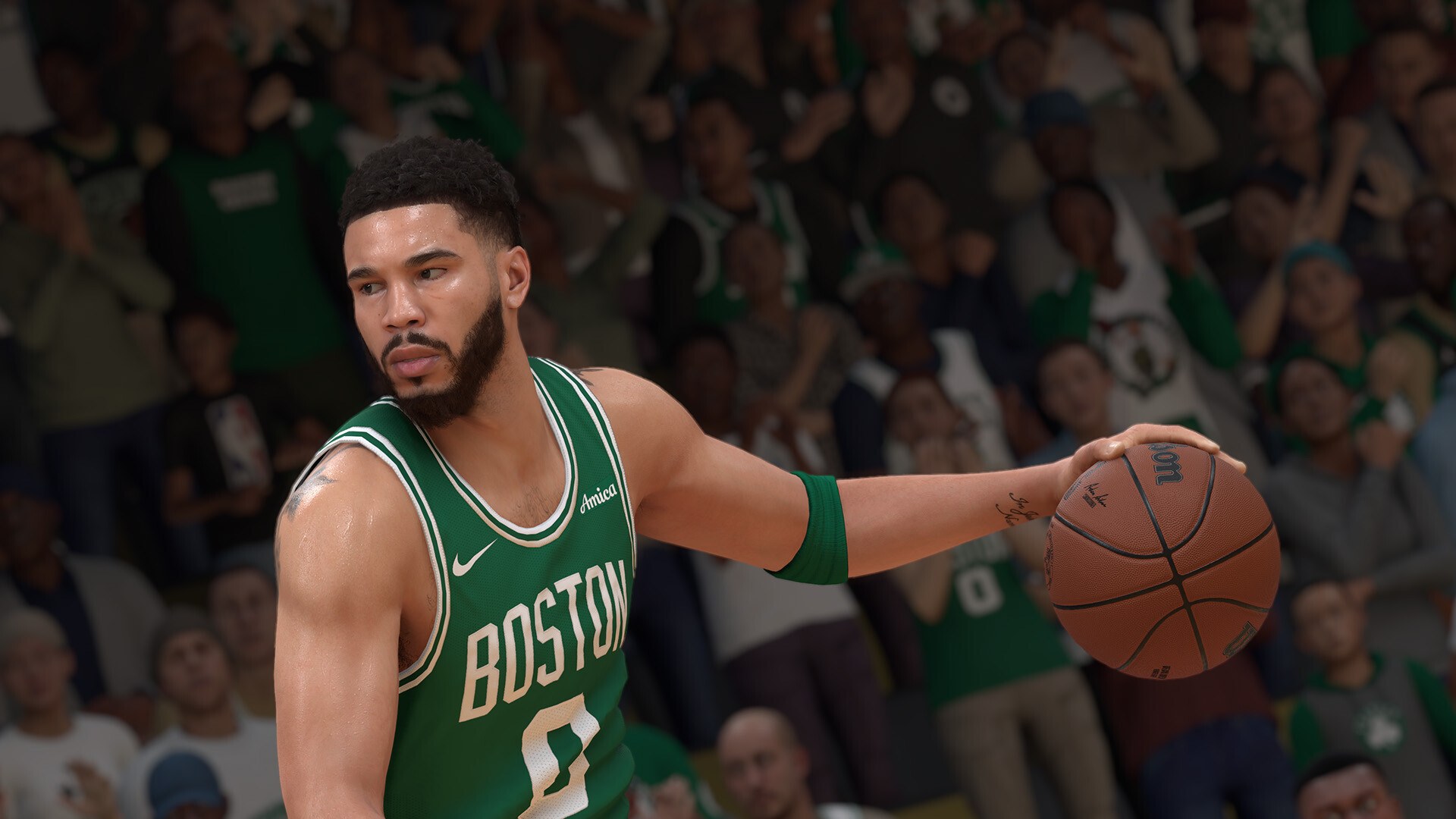
Torres’ office leans on NBA 2K25, which sold for $69.99 standard and $99.99 for the All-Star Edition, as its prime example: delisted October 30, servers off December 31. 2K’s server sunset notice confirms both dates and adds the part the release leaves out. If you own the game, you can still redownload it and play Play Now, MyNBA, The W and MyWNBA offline.
What goes is everything that touches 2K’s servers. From January 1, 2027, there’s no multiplayer, no Online Leagues and no community sharing, and MyCAREER and MyTEAM disappear along with the ability to earn Virtual Currency. For a lot of 2K players those two modes are the game.
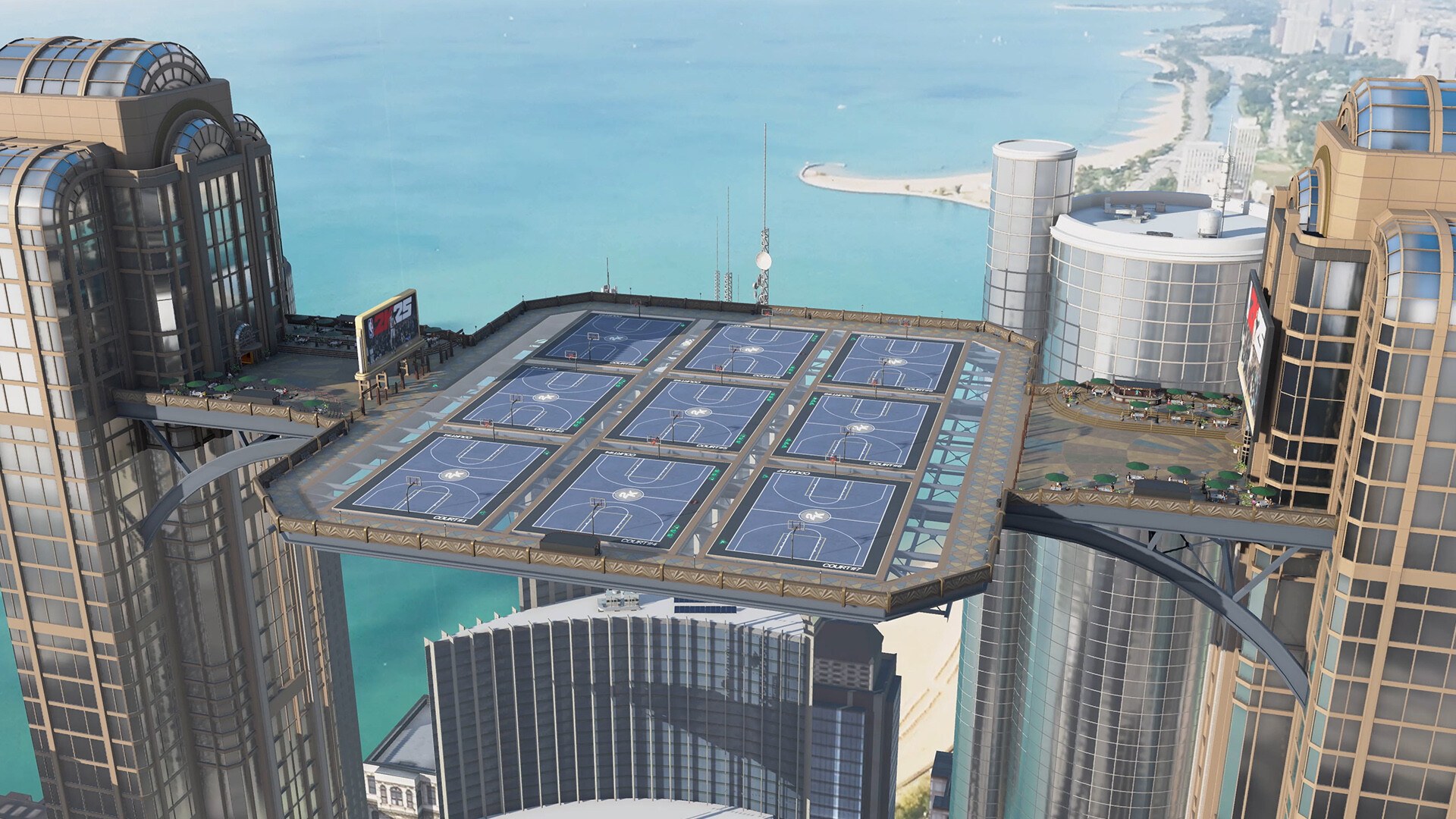
We think 2K25 is still a fair exhibit, just not quite the one described. Nobody’s library is being wiped. A big slice of a two-year-old, full-price game is, on a schedule the buyer had no say in, and that’s exactly the gap an offline-mode rule would target.
It’s also part of a busy month for disappearing games. Earlier this week we covered Legacy Games closing its “yours to keep forever” store, where downloads end on February 28, 2027: there it’s the storefront that goes away, not a server, which is a reminder that the word “ownership” has to cover more than one way of losing a game.
An announcement, not a bill you can read
There’s no bill text yet. That matters, because every hard question lives in the definitions. Does a live-service shooter need bots to count as having an offline mode? Does a single-player game with an always-online check need a patch before shutdown? By handing the rules to the FTC, the bill pushes those calls into rulemaking rather than settling them in the law itself.
PC Gamer points out that DRM-free games, like the ones sold on GOG, already deliver the ownership Torres describes: keep the installer and you can play it for as long as you have a PC to run it on. The Stop Killing Games campaign has been arguing the offline-mode half of this for a while, with The Crew, which Ubisoft took offline in 2024, as its favourite cautionary tale.
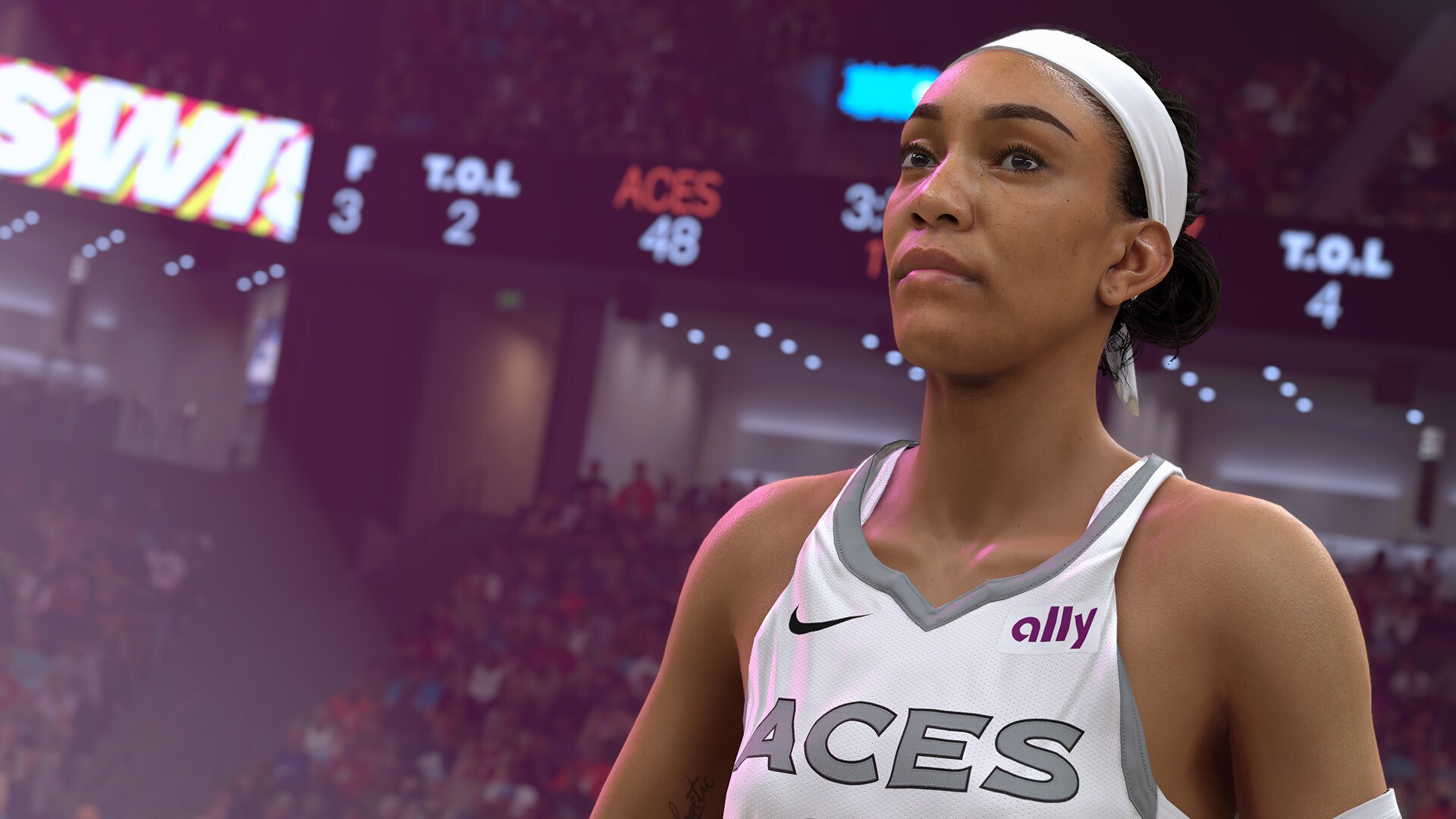
Delisting isn’t always about servers, either. Sega pulled Total War: Shogun 2’s Complete Edition from sale this week because of a botched remaster, not a shutdown, and any law will have to tell “no longer for sale” apart from “no longer playable.”
The offline-mode requirement is the part worth fighting for. It’s specific, it’s enforceable, and it would have kept far more of 2K25 alive than 2K is keeping. The ownership language is the part most likely to be watered down on the way to a vote. Whatever happens in Congress, the next deadline is closer: NBA 2K25 leaves stores on October 30.