G2A and Cronus Zen on the list
The headline name in the US games industry’s new piracy hit list is a company that makes cheap retro handhelds. The names PC players should actually read are further down: G2A, the key-and-account marketplace plenty of us have bought from, and Cronus Zen, the plug-in box that has become shorthand for controller cheating.
Both appear in the Entertainment Software Association’s filing, dated October 7, to the US Trade Representative’s annual Notorious Markets review. GamesIndustry.biz first flagged the Anbernic part. The list itself carries no penalties. It’s a public naming-and-shaming document the US government uses to lean on platforms and foreign governments.
Anbernic is the easy target
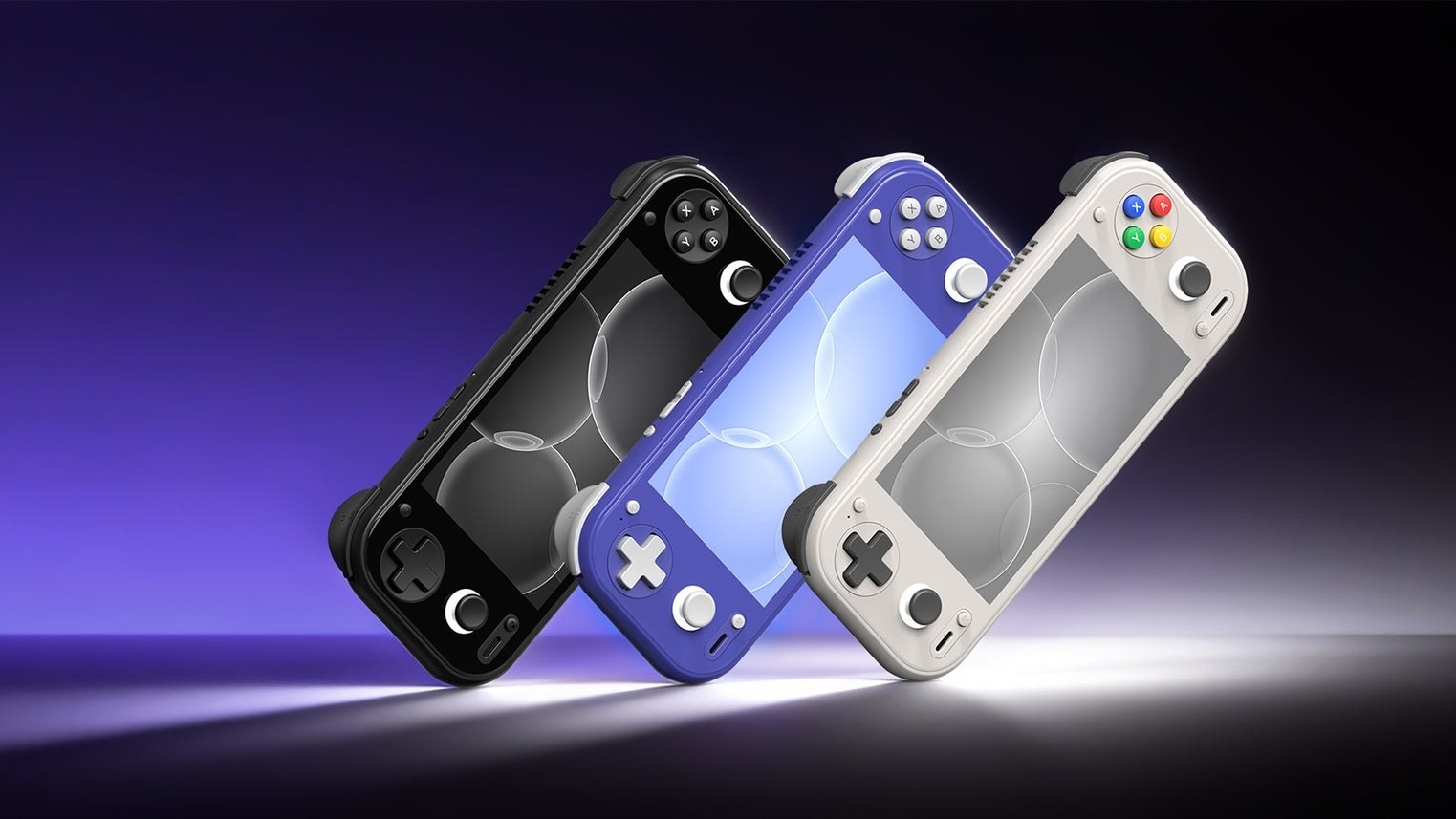
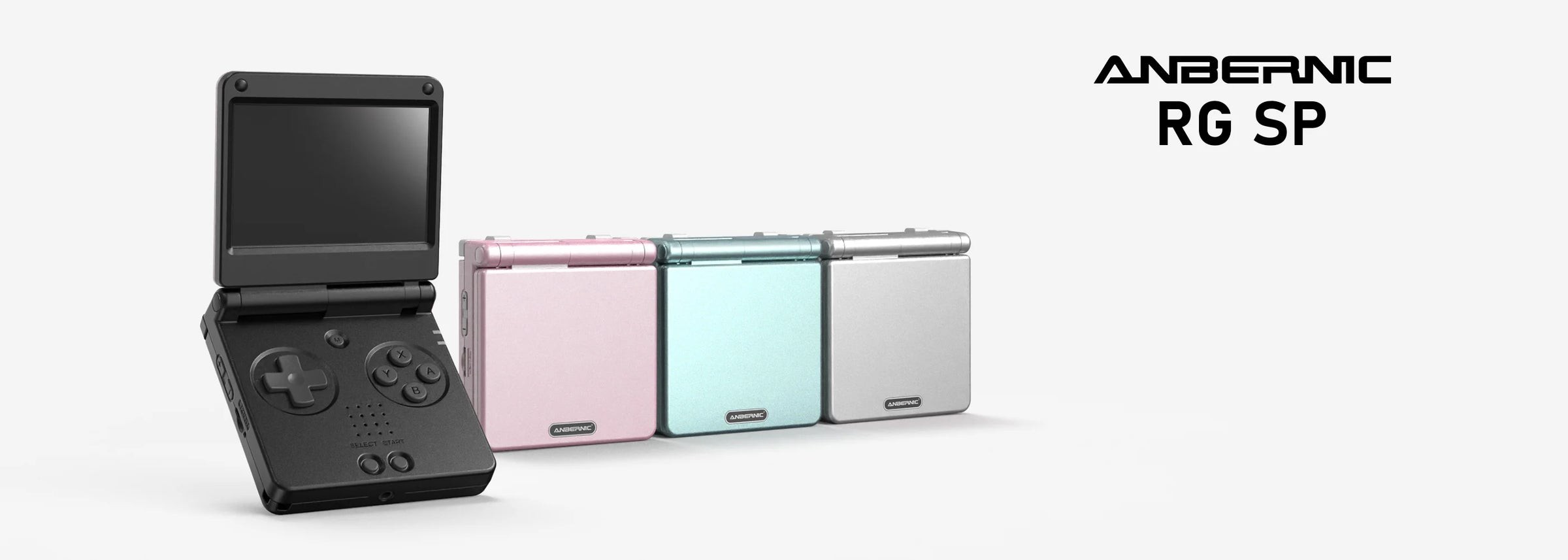
The ESA says Anbernic’s devices “are routinely offered or shipped with removable memory cards preloaded with hundreds or thousands of unauthorized copies” of its members’ games, and that they sell through Amazon and eBay as well as Anbernic.com. It cites a 2024 seizure in Turin of around 12,000 Anbernic devices carrying “more than 47 million copies of pirated video games.”
Anbernic normalizes hardware-based piracy by delivering illicit catalogues through a polished consumer product.
Entertainment Software Association, Notorious Markets filing
We think the ESA has a fair point about the preloaded cards and a weaker one about the hardware. An emulation handheld with an empty card is a legal gadget, and the filing’s own wording leans on what ships on the card, not on the device. If you’re shopping for a portable in the age of the $1,299 ROG Xbox Ally X20, that difference is the one to hold on to.
G2A gets called out for something it said it didn’t do
The G2A entry is sharper, because it uses G2A’s own words against it. The filing says the marketplace has more than 30 million customers and about 40,000 sellers, and then: “G2A previously represented that it did not permit sales of in-game accounts or items, but the marketplace facilitates account and digital item sales at scale.” It warns buyers that a seller “may reclaim an account after sale” or that a publisher may simply ban it.
That’s the risk anyone buying a cheap account has always taken. Having it written into a US government docket is new.
Cheat boxes are now a piracy problem, legally speaking
The ESA also wants “commercial cheat markets” on the list, leading with Cronus Zen and its script marketplace. It’s careful to say “the basis for designation is not cheating or unfair play standing alone,” but circumvention of the technical protections around games. That’s a legal framing built to turn anti-cheat into a copyright fight, which gives publishers a far bigger stick than a ban wave.
Rebuttals are due by October 21 under USTR’s notice, and G2A has filed one before, against the ESA’s 2021 submission. Our bet is that Anbernic makes the headlines again when the list lands, and G2A gets the more awkward phone calls. If you’ve got credit sitting in a launcher or a key-reseller wallet, it’s worth knowing which of the two the industry now treats like a piracy site.