Memory prices and sales
Nvidia’s fiscal second-quarter earnings, reported Wednesday, put a company-confirmed number on something PC builders have felt for months: as GPU, RAM and SSD prices have spiked, Nvidia says its own consumer PC sales are already slowing because of it. Total revenue hit $96.2 billion, up 106 percent from a year ago, but the “Edge Computing” segment that now houses GeForce RTX cards grew almost entirely on workstation demand rather than gaming hardware.
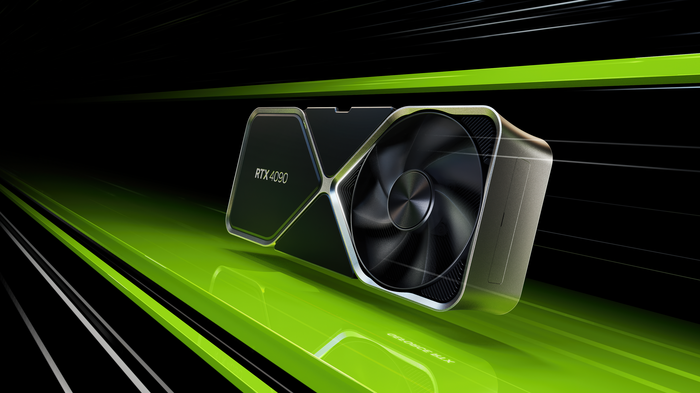
Edge Computing brought in $7.2 billion for the quarter, according to Nvidia’s earnings release, up 27 percent year-over-year and 13 percent from the previous quarter. That’s a sliver next to the $89 billion Data Center pulled in, and it’s also the only number gamers get anymore. Nvidia credited the Edge Computing growth to strong Blackwell workstation sales, while separately noting that consumer PC sales were tempered by elevated memory and system prices.
The reporting change itself isn’t new. Nvidia stopped breaking out gaming revenue on its own starting with its first-quarter fiscal 2027 results in May, when the newly created Edge Computing category posted $6.4 billion, up 29 percent year-over-year. The last standalone gaming figure, in its fourth-quarter fiscal 2026 report, was $3.7 billion. Three months on, Edge Computing has grown to $7.2 billion, but there’s no way to tell from outside the company how much of that is GeForce cards versus everything else now sharing the line.

Colette Kress, Nvidia’s CFO, told analysts on the call that “memory scarcity today is being driven in large part by the AI buildout itself,” and said pricing has already gone past what Nvidia expected even a quarter ago. The company now expects its gross margin to slide from 75 percent this quarter to as low as 71 to 72 percent by the fourth fiscal quarter, citing memory costs directly. CEO Jensen Huang, pressed on next year’s growth outlook, said actual demand is running well ahead of what Nvidia can currently supply, and that closing the gap means locking down still more memory and manufacturing capacity.

Nvidia gave no separate figure for how much of the Edge Computing softness is gaming specifically, and it isn’t clear whether this is a one-quarter dip or the start of something longer. Prices already tell part of the story: RTX 5070 and RTX 5060 Ti prices have climbed as much as 39 percent since June on the same memory shortage. Nvidia’s next earnings report, due around November, will be the first test of whether Edge Computing keeps growing once workstation demand alone isn’t carrying the number.