Admitting a slow fix
Live-service developers almost never admit they sat on a broken tank. Stoke Games just did. “At this point, I think it’s fair to say we were too slow on Alecto,” co-founder and product director Veigar Bouius writes in a long balance post on Tyr’s Steam page, published on October 15.
Tyr is a free-to-play multiplayer tank shooter from a San Francisco studio founded in 2023, and it’s been in Early Access since September 2. It’s doing well: Steam lists 3,213 positive reviews against 578 negative, which is “Very Positive”. That makes the honesty more interesting, not less, because nothing was forcing it.
Alecto stayed strong because Stoke liked seeing it played
Bouius’s explanation is disarmingly human. Alecto, a hover tank, spent most of its life uncompetitive, and players had asked for it to be viable. “So when it started showing up in ranked and tournaments, that was exciting,” he writes. “After a long period of players asking for it to be viable, we didn’t want to immediately knock it back out.”
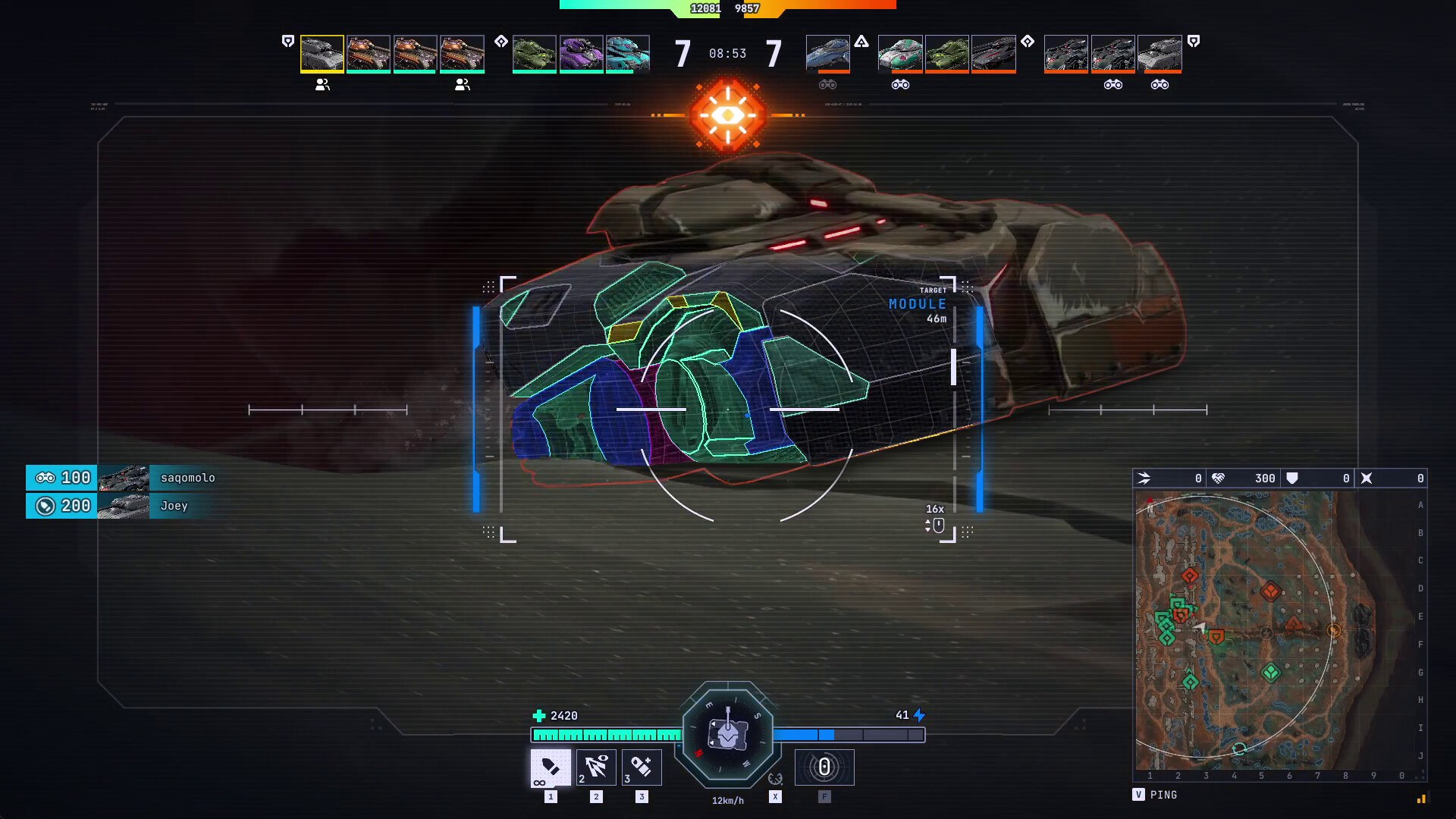
Then the team chased the wrong fix. It tried turning the Weakness Analyzer component’s reload reduction from a flat amount into a percentage, and that made it far too strong on Arbalest and Tempest. “The solution was worse than the problem we were trying to solve, so we backed it out,” Bouius writes, adding that it should have shipped an interim tweak at that point.
The interim tweak finally landed in the October 8 balance patch: Weakness Analyzer’s effect now lasts 0.5 seconds instead of one, with “a more substantial change still to come”.
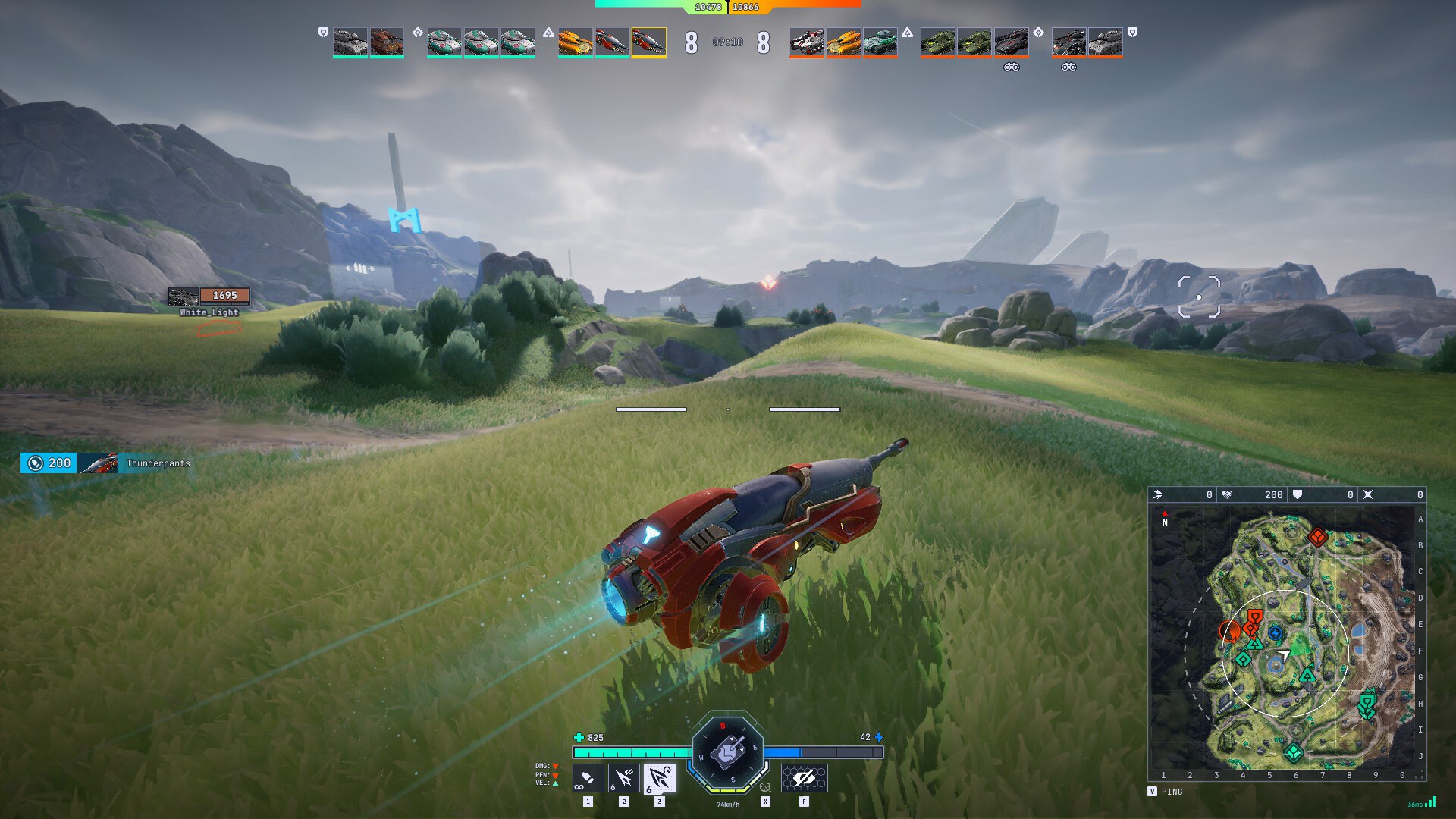
Hover tanks like this one tilt and ridge-peek in ways tracked tanks can’t, one of the things Stoke investigated with Alecto. Image: Stoke Games, via Steam.
Atlas keeps its brick of a front plate
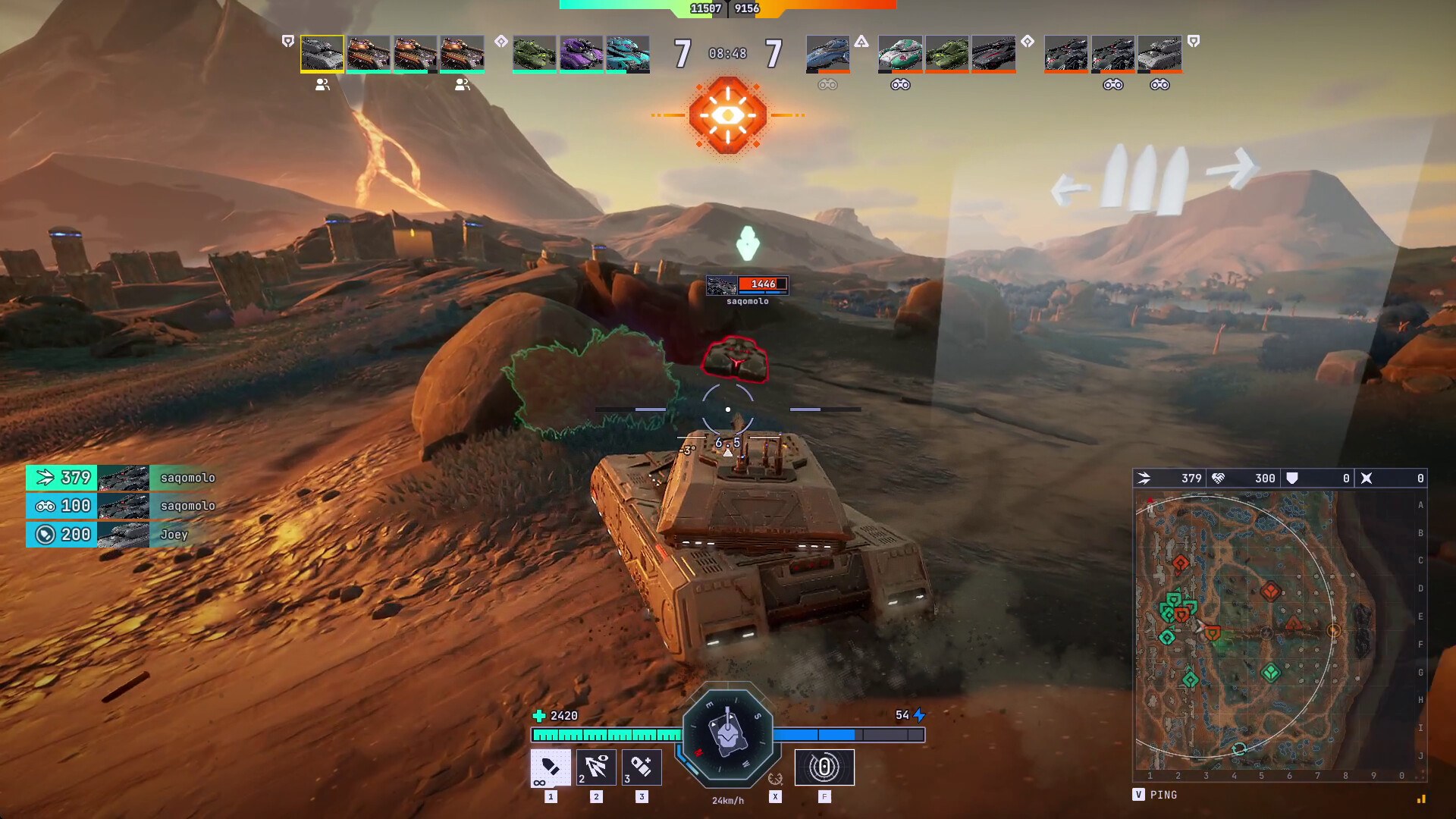
The more useful half of the post is about what Stoke won’t nerf. Atlas, its super-heavy, is maddening to fight head-on, but Bouius argues that making its frontal armour porous would just turn it into a slower version of every other heavy. So the October 8 patch went after its damage instead: base reload up from 13 to 14 seconds, and smaller health tech nodes, because “having the highest damage output among heavy tanks isn’t a core part of that identity.”
We think that’s the right instinct, and it’s the opposite of the flatten-everything approach that has hollowed out plenty of free-to-play shooters. It also sits well next to Facepunch’s admission about s&box and Sega’s Shogun 2 climbdown: studios saying out loud that they got something wrong is becoming a habit we’d like to see stick.
Win rates lie, and Stoke says so
Bouius also concedes the numbers are slippery. Starter tanks lose more because new players drive them, alpha tanks win more because veterans do, and heavy tanks can post higher win rates while their players complain they “spend their matches getting peppered by shots.” That’s a frank thing to put on a store page.
The test comes at the end of October, when the larger content patch is due with the deeper Weakness Analyzer change, a HUD component visualiser and the start of Ranked Pre-Season 1. If Alecto is still top of the pile after that, being honest about being slow won’t be enough.